
As she told us about Vikings in the Natioanl Museum, our grad student guide asked, “how do you know about the Vikings?” Being an archeologist she felt the truth was better found out if you could see it, what was physically left behind. For example, if I said that I only eat organic wholesome foods and then you went through my trash and only found fast food wrappers, which story should you believe? The Vikings did not write much down that still exits. Actually most of what is known is by writings by the monks who they raided. Not your most unbiased source.
So, she appreciates the excavations where we see the actual jewelry and swords left behind. She pointed out one ornate sword obviously was not a fighting sword since it had no marks from being in battle. It did have a nice gold and silver hilt so the wearer could show it off. There was one grave site with lots of weapons found and all thought it was great male warriors. Only after bone testing was it found out that it was actually women warriors – women Vikings.
So, it was with a lot of local controversy when the national museum displayed portraits of what one artist thought they looked like – when there has only been one partial shirt found. No really knows. No, they didn’t have horns on their helmets…but then again maybe they did for religious rituals.
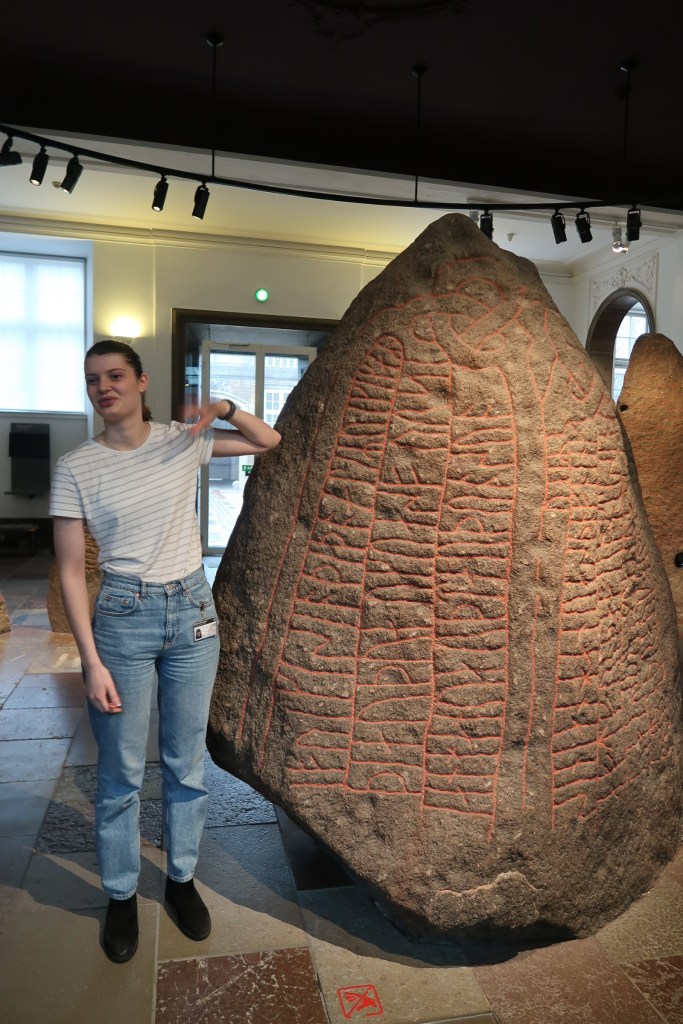
One way the Vikings told their own story was through their myths – like learning of Odin, who gave up his life and then came back to save his people, and Thor, who did carry a hammer. The wealthier wrote their own version of their story in ruins on large rocks that told of their great feats and to mark their territories. We will learn more about Vikings tomorrow in Rosklide, where Josiah lives, which is seen as their birthplace.
In another part of the museum we learned about wealthy Christians engraving their tombstones before they died (just please add the date at the end) to make sure that if there was any debate of what type of person I was, here it is, written in stone – literally.
Then on a walking tour we see statues of the founder of Copenhagen – Absolon. With an impressive statue of a nice armor clad person on horseback just 100 feet from our place. But was he really? Is that what he looke like.
How do we know what we know? Why do we think about something a certain way? What causes us to believe?
Copenhagen is touted as the happiest place on earth with the nicest people and fairly egalitarian society, but how do I reconcile that with their mostly homogenous culture and their extreme views against immigrants and effectively banning citizenship by marriage (must wait 20+ years) for foreign-born Danes to a person outside of the European Union?
We tell stories to remember, and maybe it is not exactly what happened. In the museum they did address their own colonial and slave trading past. And they mentioned that even though Denmark did sell the U.S. what is now known as the American Virgin Islands in 1917, these islanders still do not have a clear voice in their own new country.
And if you were thinking – Greenland is not for sale.
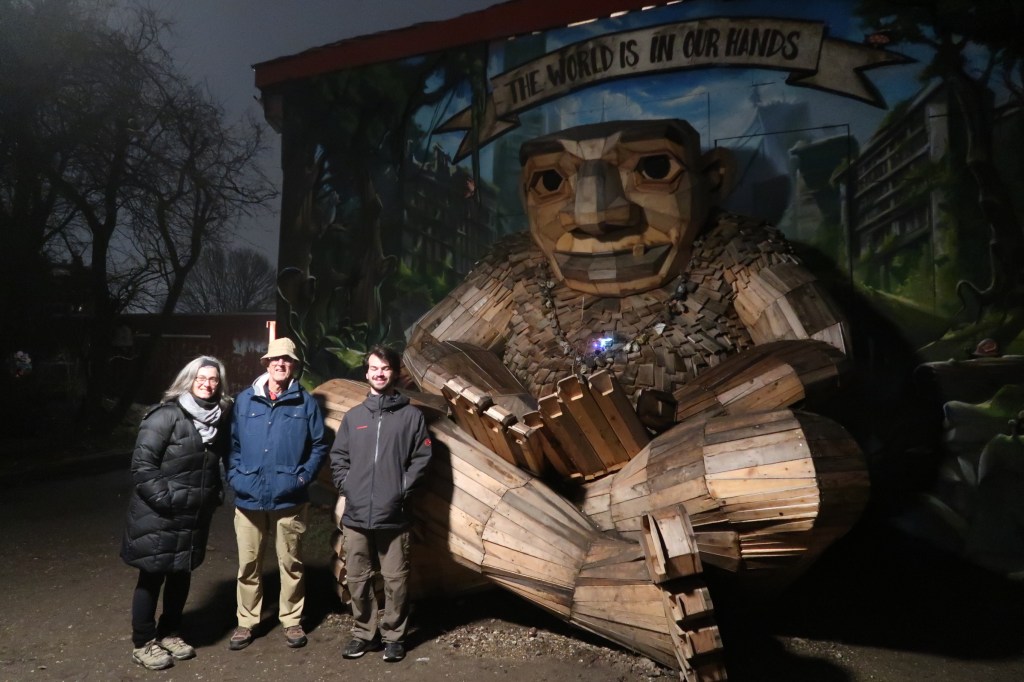
We finished up the day visiting the now hip Christianhaven – built by their famous King Christian IV, who wanted to emulate Amsterdam’s canals to lure bankers and traders. So he used his army to dig it all. We stopped into Christiania which is world famous for its “pushers market” where marijuana is sold freely even though illegal. It started out as homeless squatters taking over an abounded army barrack in a run-down port of town and has become a semi-autonomous region within the city. It was told to us like a place for hippies and they never left. Arts and tourists thrive here. One famous artist created the cargo bike for carrying goods in front, which is now ubiquitous and is used to carry kids to school among other things.
The area is becoming gentrified, and all wonder how or if these different areas will survive.
Tomorrow, we say good-bye to inner city Copenhagen and hop a short 40-minute train to Roskilde. Then Samara will join us and we all plan to spend Christmas Eve and Christmas Day with Josiah’s host family, before continuing our trip to Paris and Barcelona.
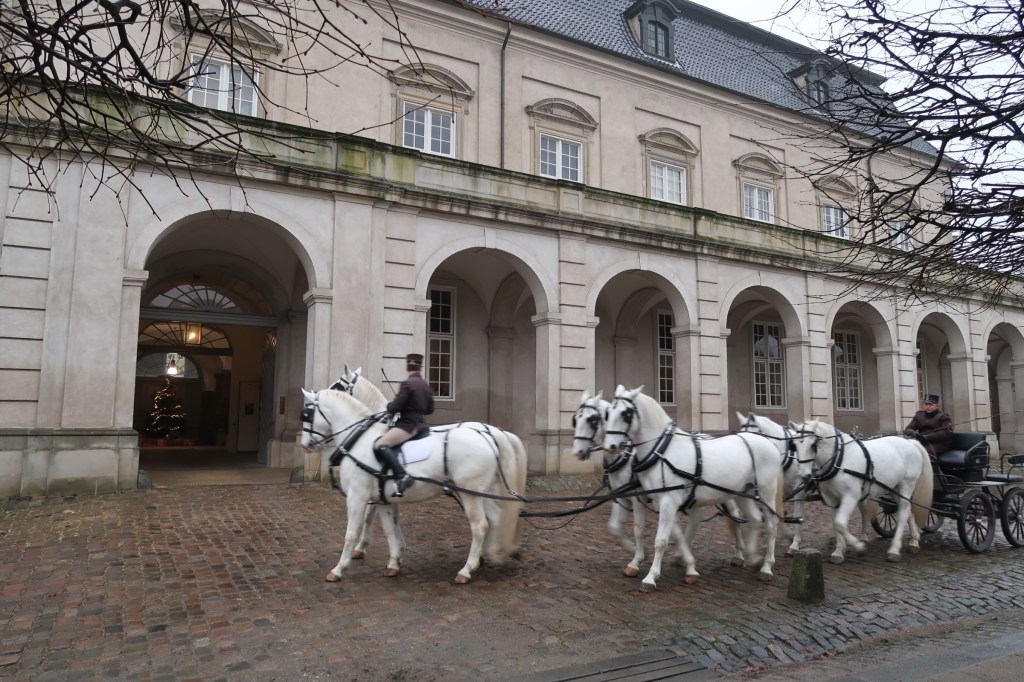
Here are some final pictures from today.

– the last 150 are outside

Notice the slides, and climbing area on what looks like the steps in.
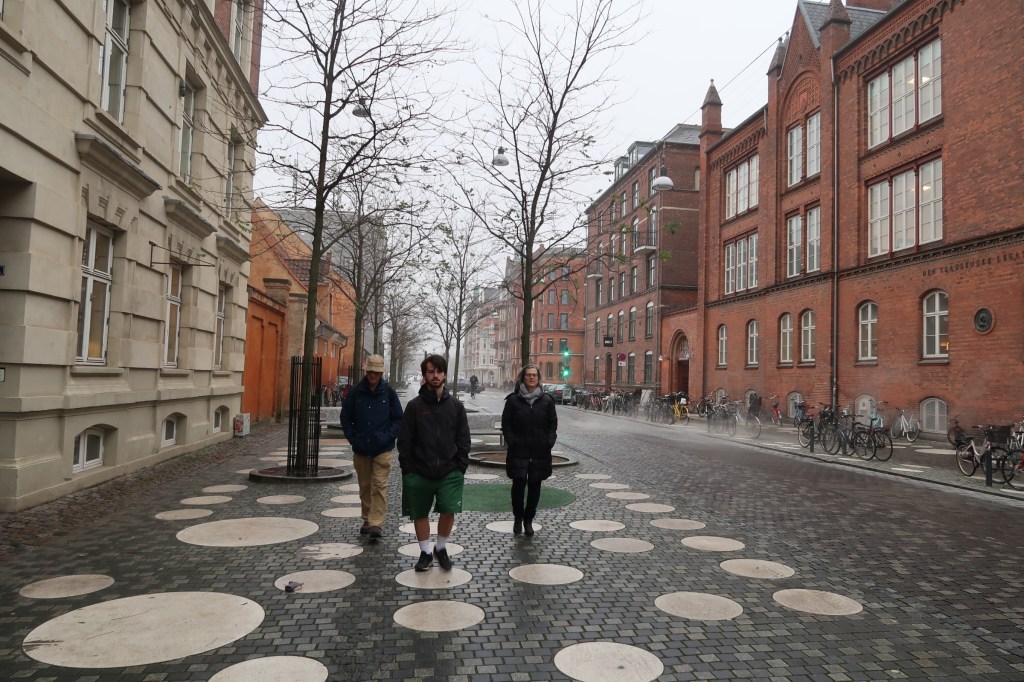
He told us that it is common to use texture, bumps, and metal strips to assist the sight impaired.

Josiah had no idea what we were talking about
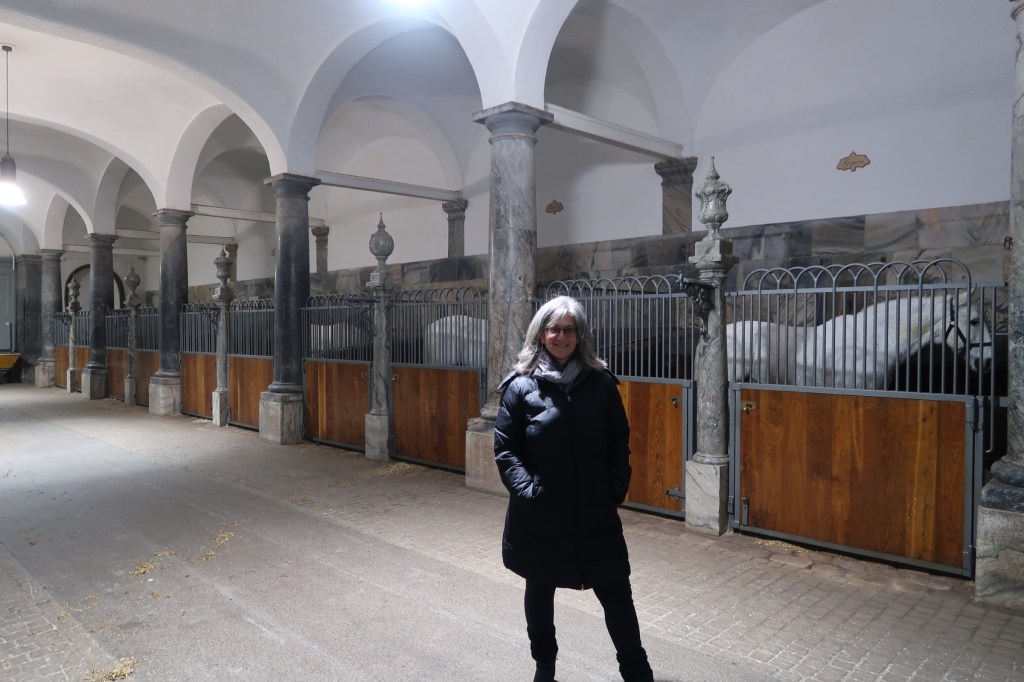
And even though it had marble walls and columns we did confirm that someone still had to pick up poop
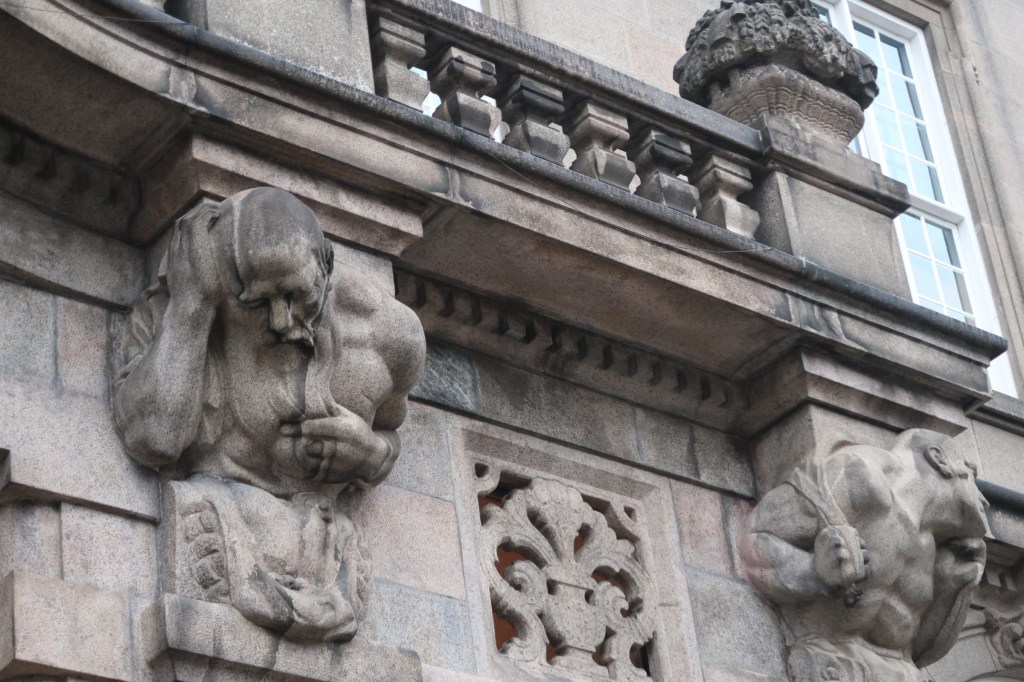
Makes you wonder if they really want to be there
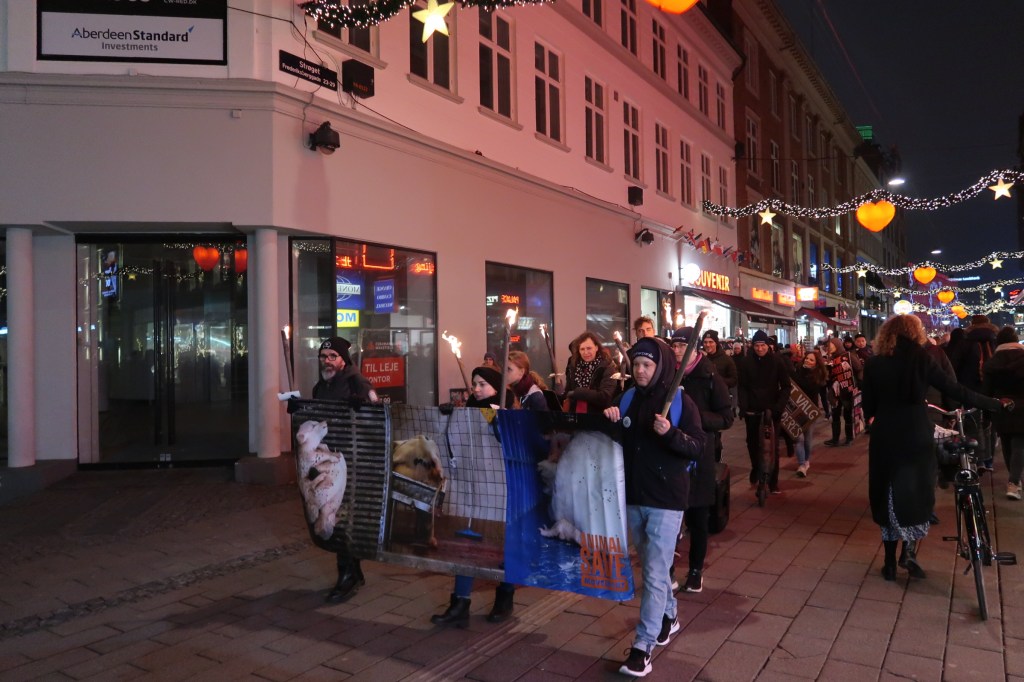
Denmark raises around 4 pigs per person.

 Siri and David Adventures