Day 8: BLES
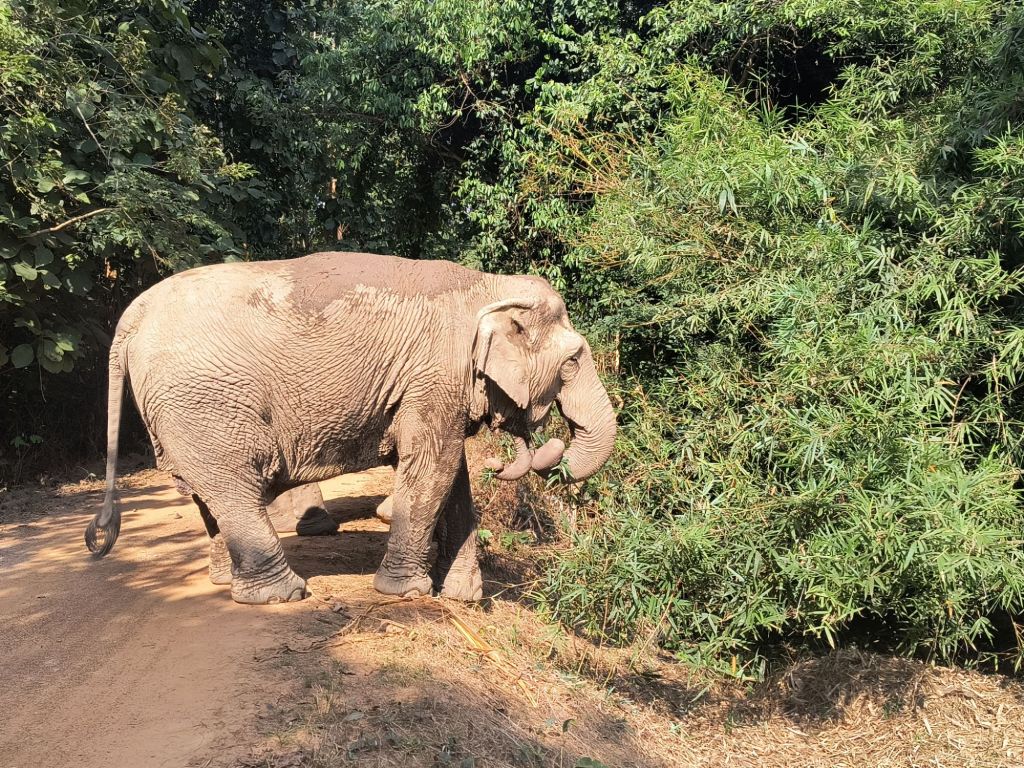
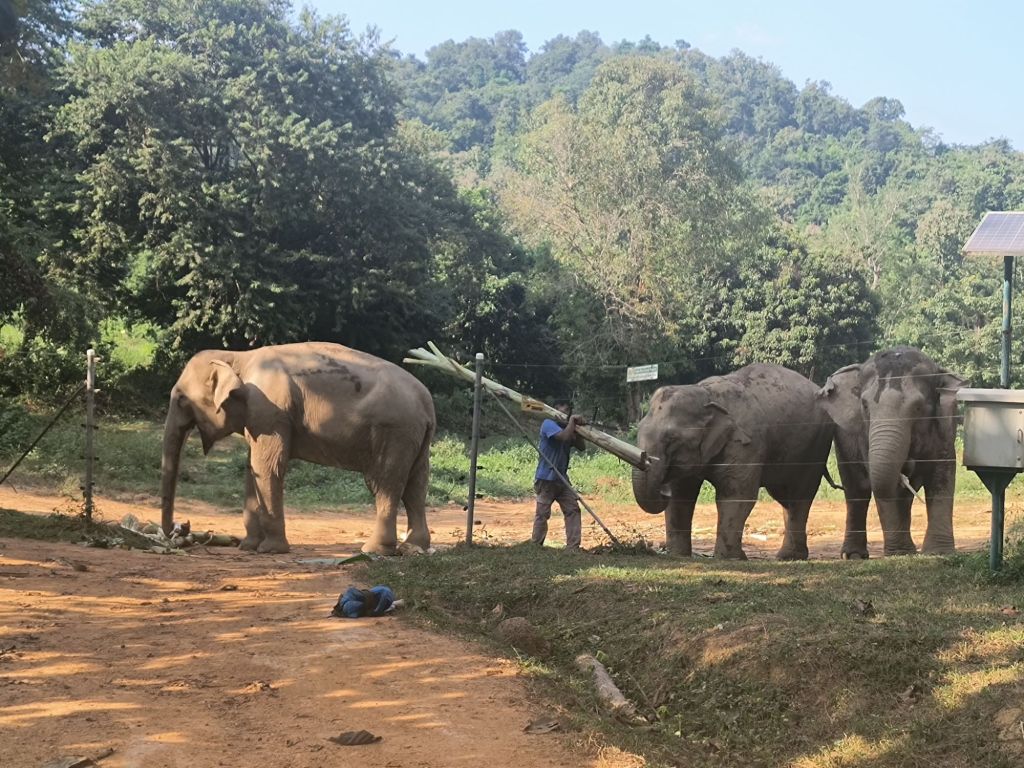
We walked with elephants today – or rather, we stayed still and they walked past us. A few were curious about us and checked us out a bit.
Amazing creatures.

While we were set up for lunch – one elephant Mare Noi, came by and within a few feet of me to check us out. It is about a 1 minute video, so you may want to skip to the middle, but stay till the end, my camera got a little unsteady as I tried to move back a bit.
We kept on moving and setting up our chairs to check out the elephants.
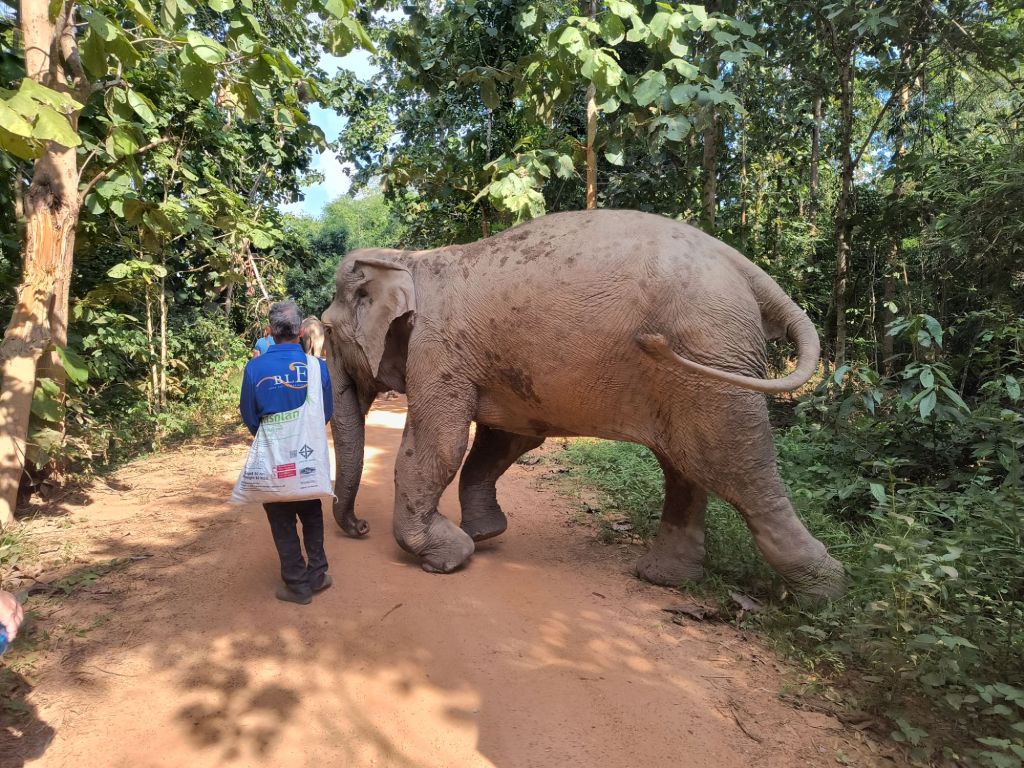
One got pretty close to Siri and the group as well.
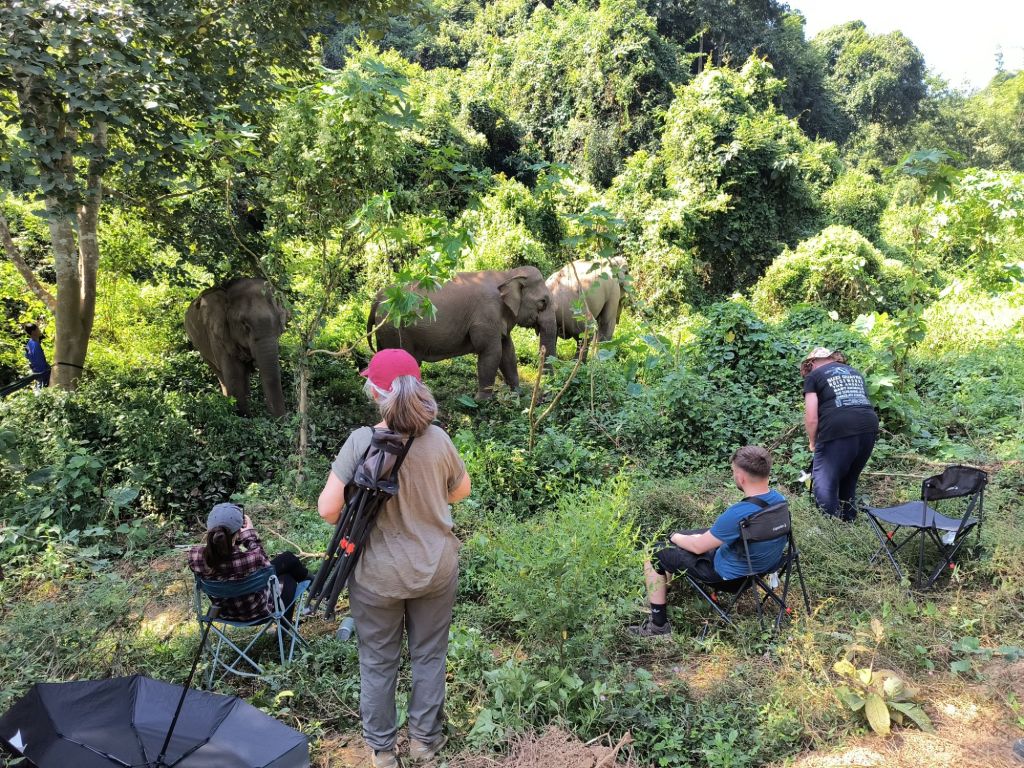
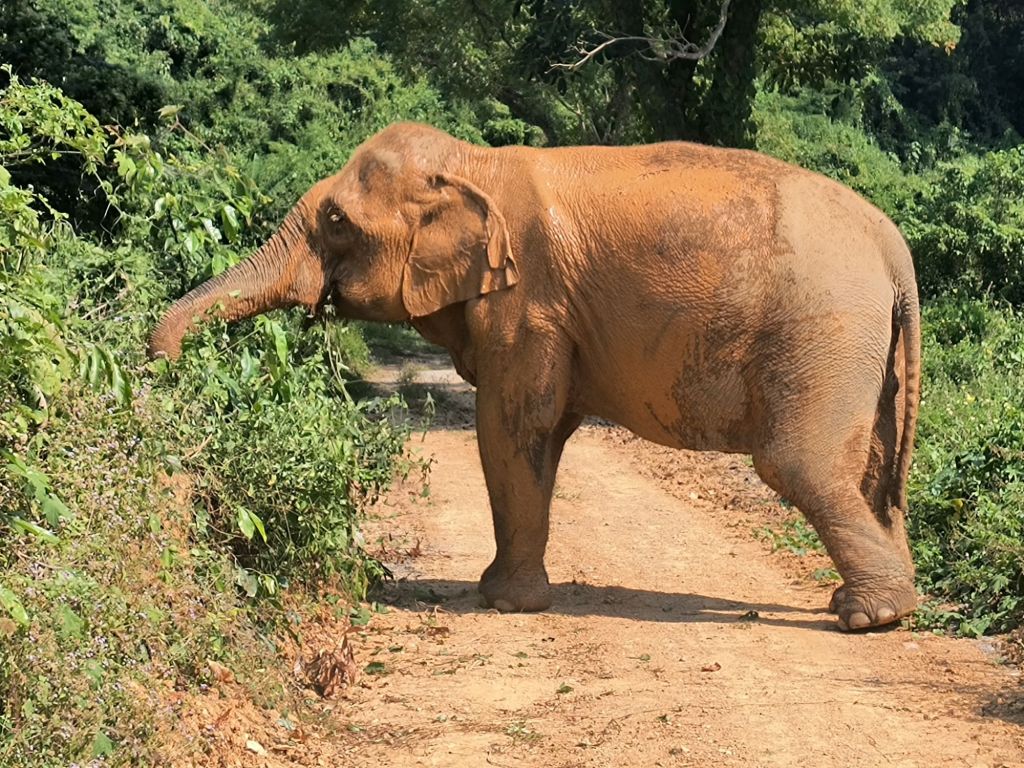
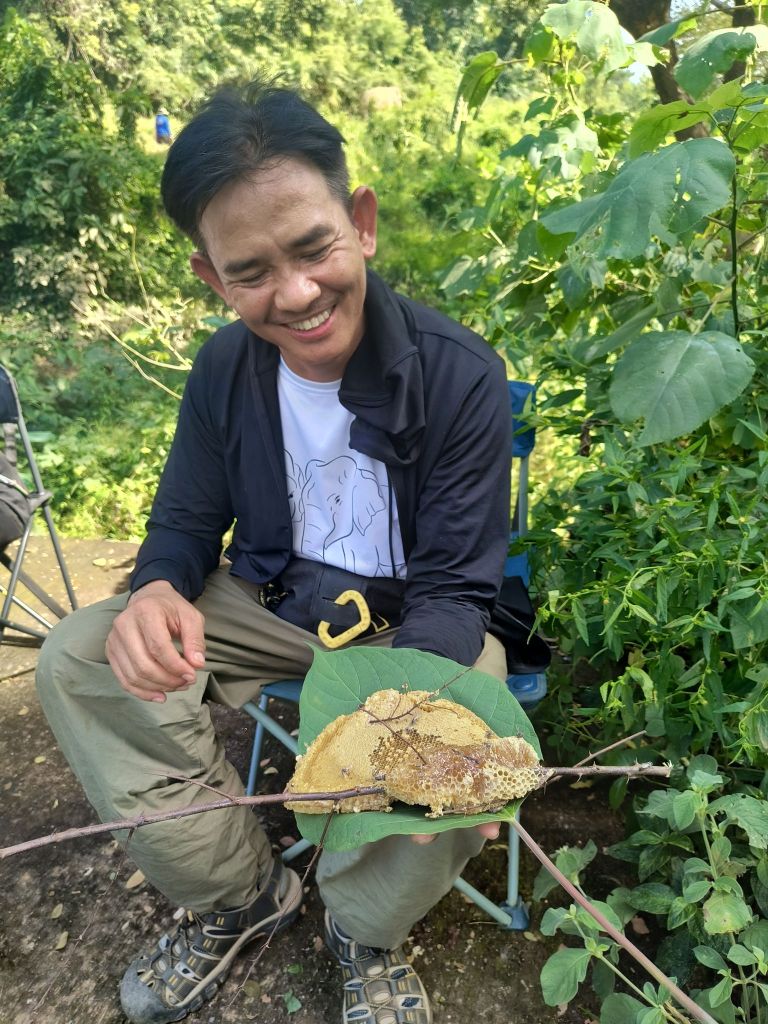
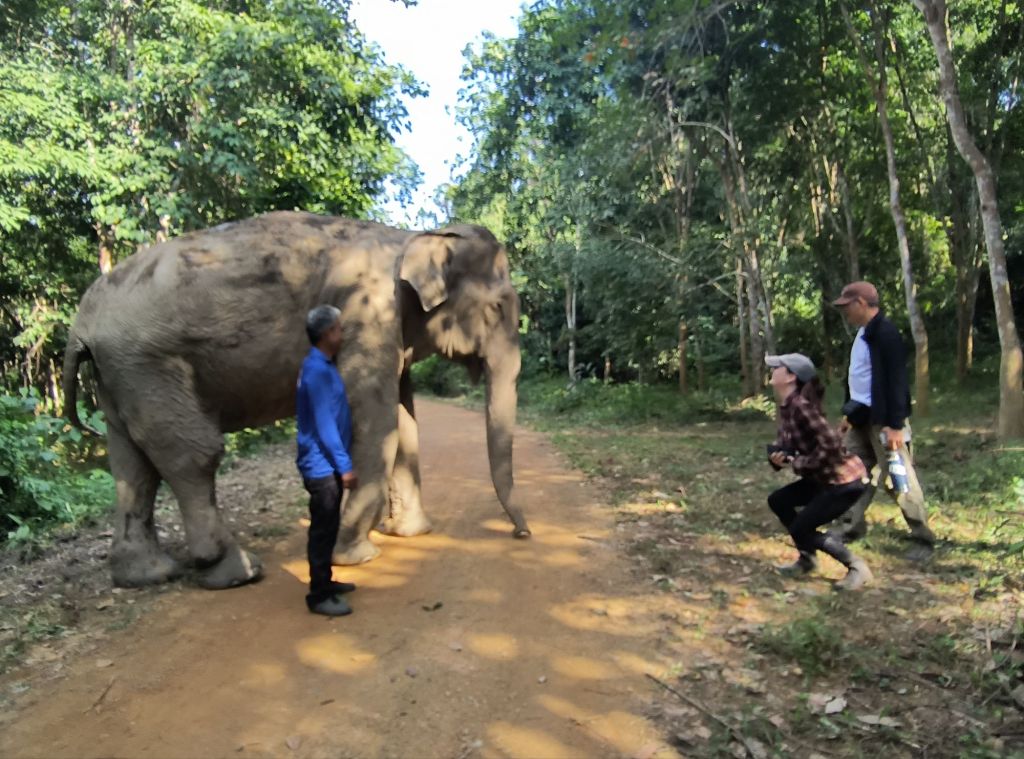
An ethical elephant sanctuary.
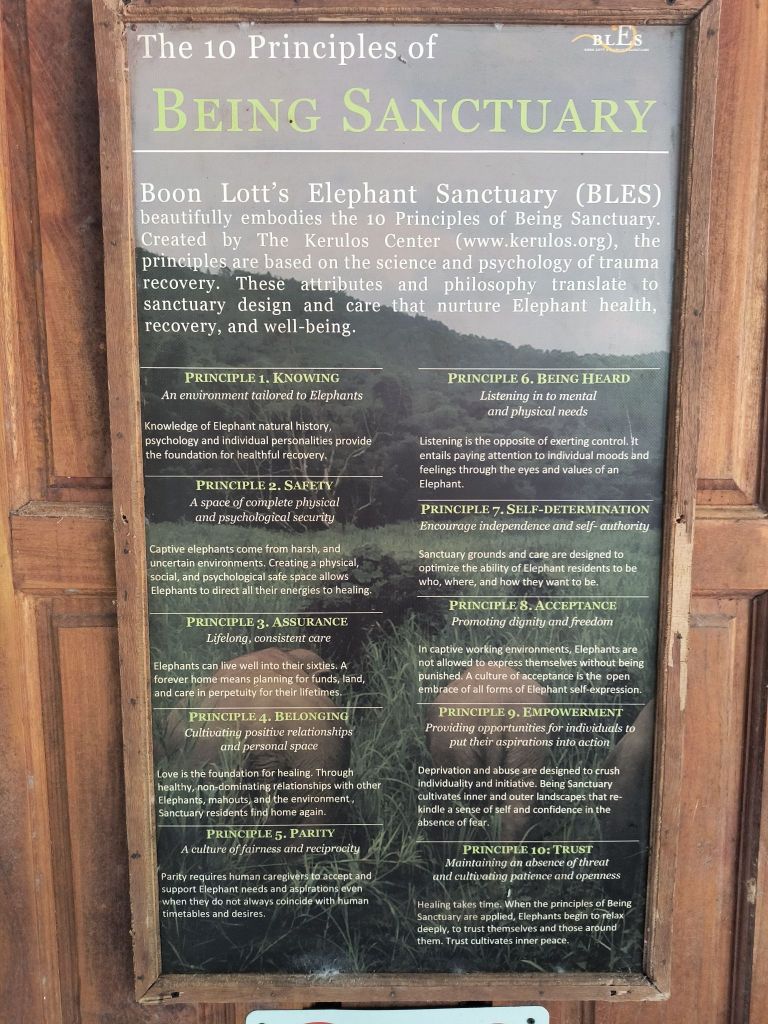
There is a lot of debate about what those words mean. Thailand has a long history of domesticating elephants early on for warfare, logging, for shows, and for breeding. There are 3,000 elephants in captivity and only about 500 still wild elephants in national parks. For most of this time, to domesticate an elephant it meant taking a young calf away from its mother, or beating a wild elephant into submission to fear their mahouts, so that they would do what we as humans wanted them to do.
BLES is at the forefront of how we could give elephants a different path – allow them to be back in nature and with as little human intervention as needed to let them live out their lives. It has been more of a retirement home for elephants – those that have been abused or worked their whole lives. Many have deformities, broken bones, or just old age, which BLES is willing to take in and let them be elephants.
They work to have the least restraints as possible. The mahouts have a special role to play in this. They have a long term – sometimes lifetime – commitment to their one elephant. At BLES they are coaxing with words and sometimes a slight push on the trunk or a gentle tug on the ear to help them stay on BLES property and not eat their neighbor’s banana trees. They are not wild elephants, they have been around and working for humans most of their lives. Now, they get to spend time just being an elephant. Going where they want (within reason), eating what they want, and having a mud bath most days.
Elephant Eco-tourism is a big business in Thailand and in SE Asia, with over a hundred different sites. If you are ever interested in visiting SE Asia, you can check to see if your place is having elephants live as naturally as possible and not being forced to perform. One place to look is World Animal Protection Organization.
And just because we had so many, here a few more close encounters.



 Siri and David Adventures
Looks awesome! Must be a little intimidating when the elephants get so close.
LikeLike
Thanks for sharing! Looking forward to hearing more as the adventure continues !!
LikeLike
Hopefully you will see that ‘painterdutifullyf359a76257‘ is actually Nathan !!
LikeLike