Acadia National Park, Maine
We have come full circle close to the Cajuns.
Acadia National Park, in Northeast Maine, is from the French “Acadia” which is what they called the whole North American coast from Nova Scotia to New Jersey. It is derived from the Native American word “La Cadie” meaning “the place.” This is also the people, the French speaking Acadians, forcibly displaced from Canada by the British – that would end up in Lafayette, Louisiana. Their name morphed over time to “Cajuns” whom we encountered last month on our Zydeco bike tour.
It is also the name for one of the top 10 most visited National Parks, that was created officially in the 1920’s from private land donations – most notably Rockefeller Jr.
This is the farthest that we will go East – we will slowly make our way back West over the northern part of the country over the next two+ weeks. We will also celebrate our 32nd wedding Anniversary. All while staying in a cute Bed and Breakfast overlooking Southwest Harbor.
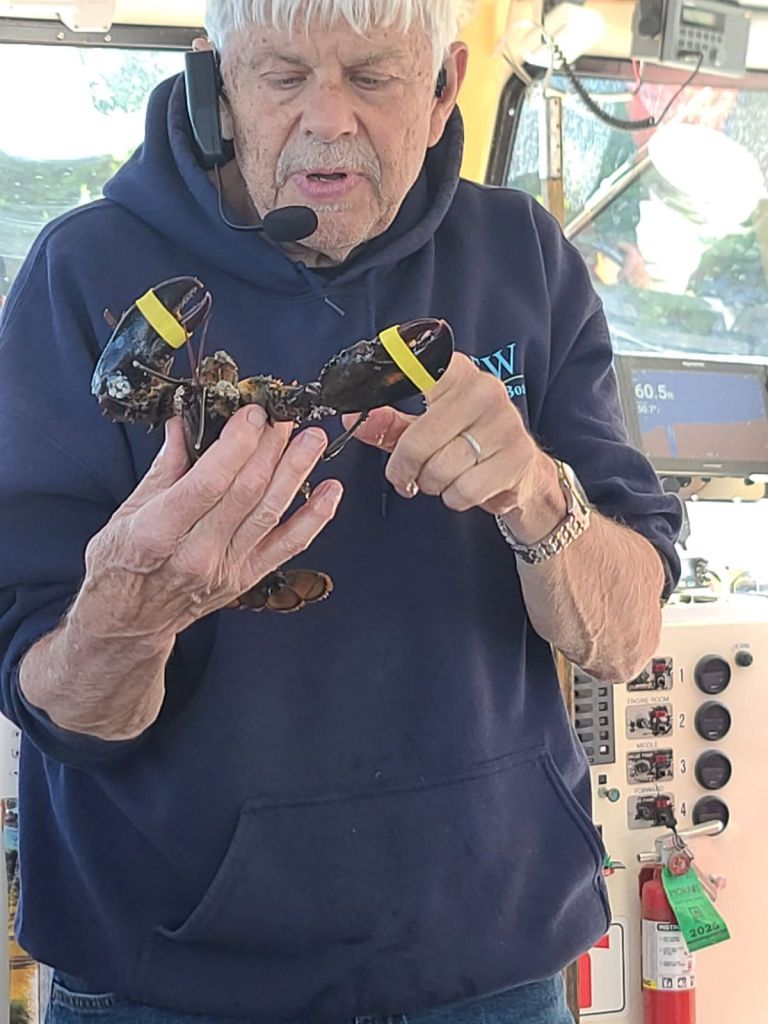
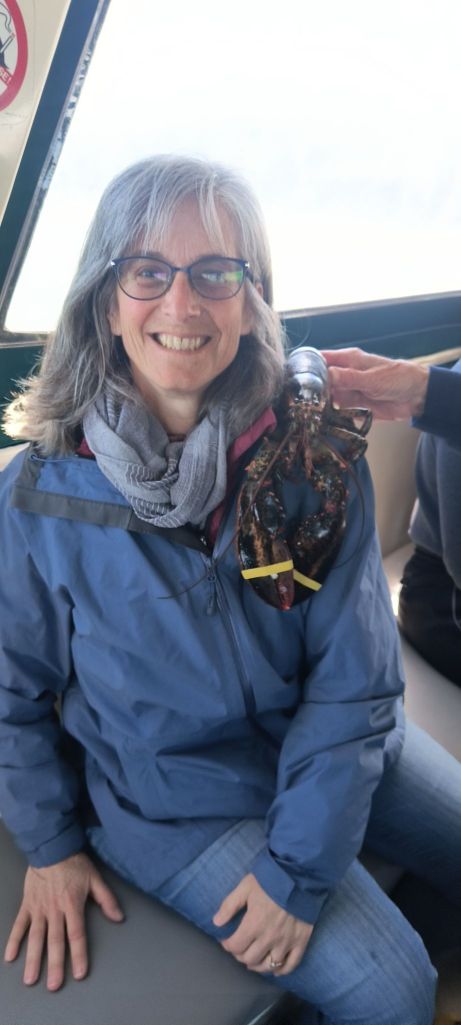
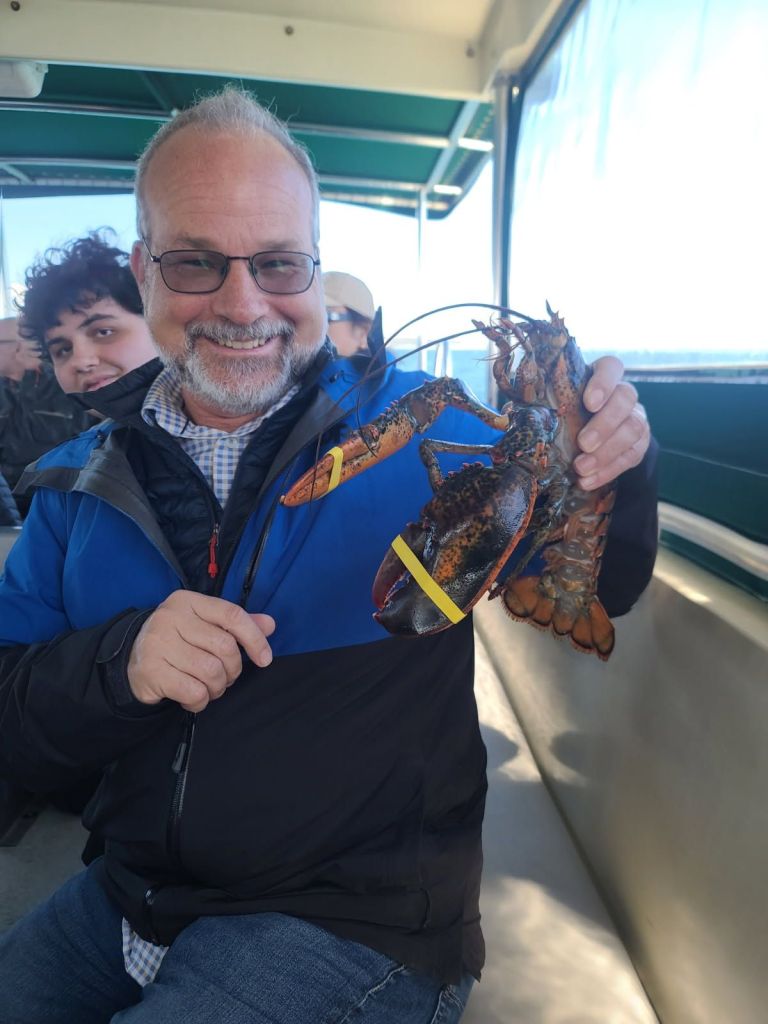
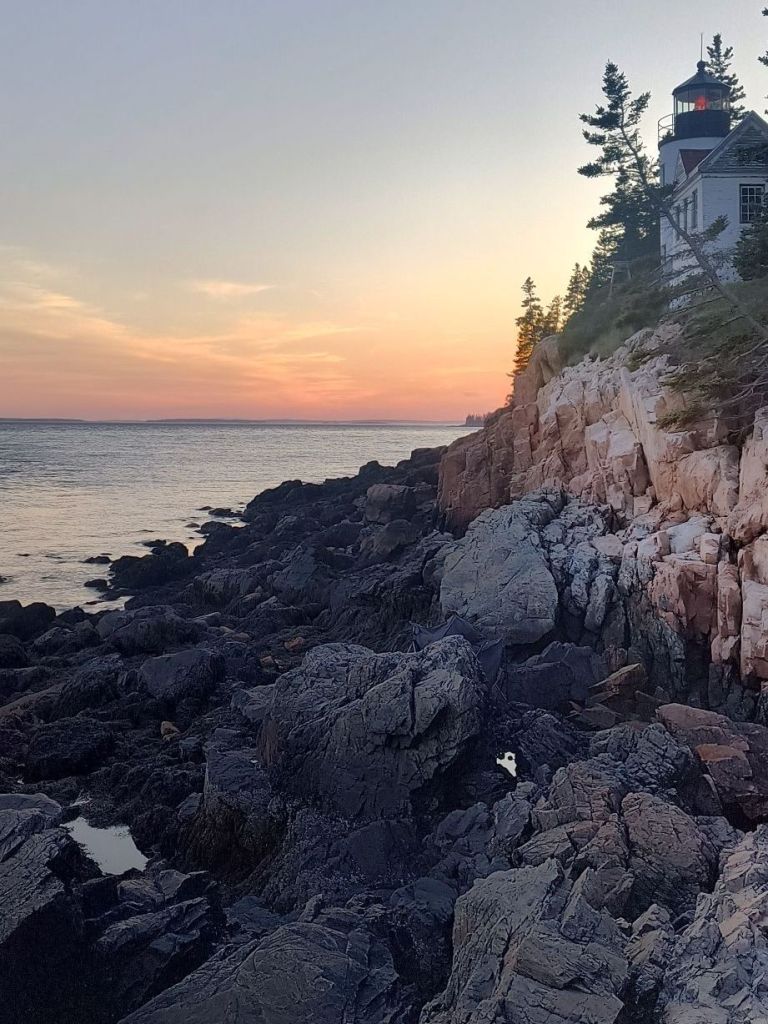
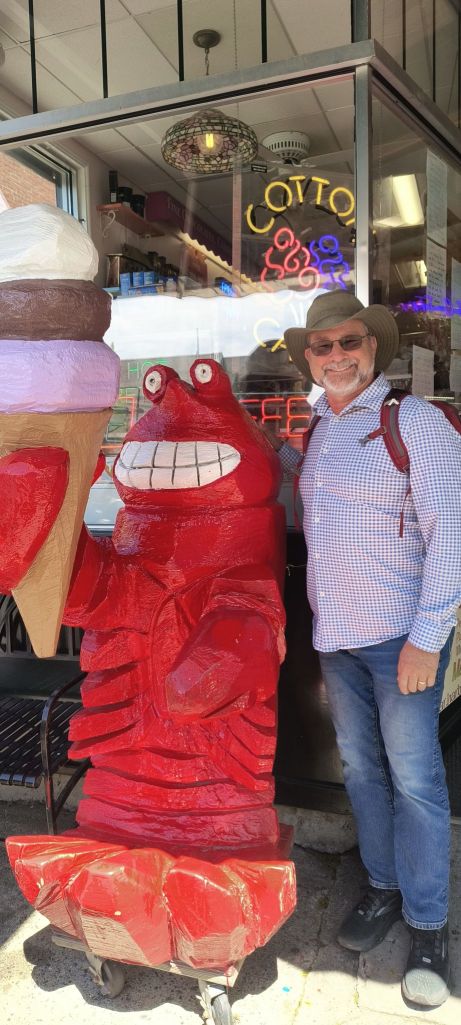
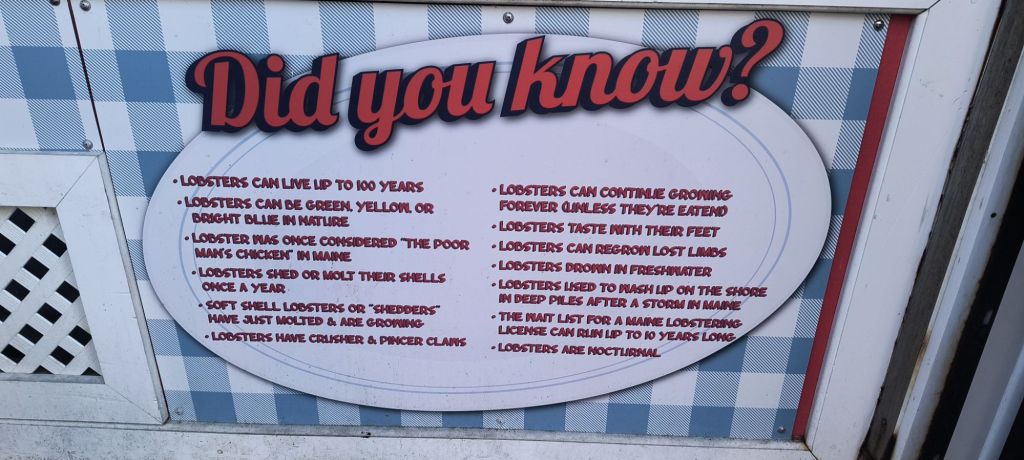
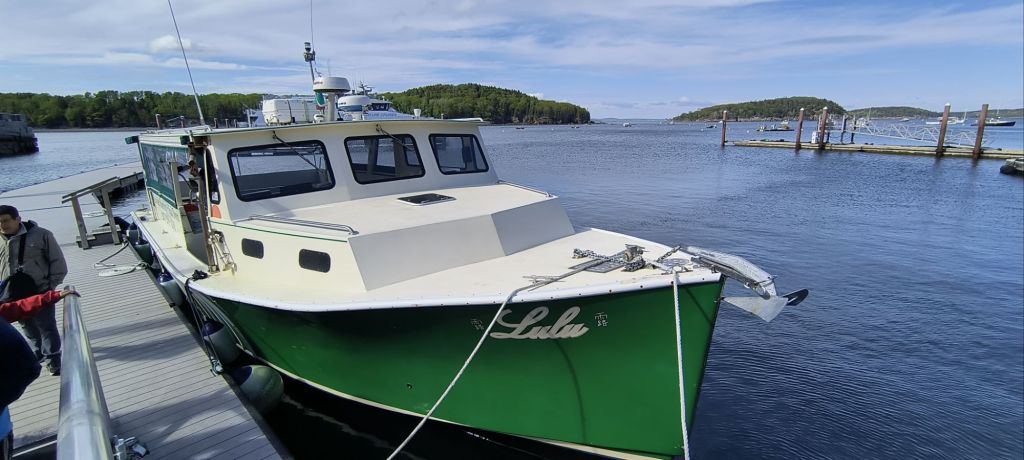
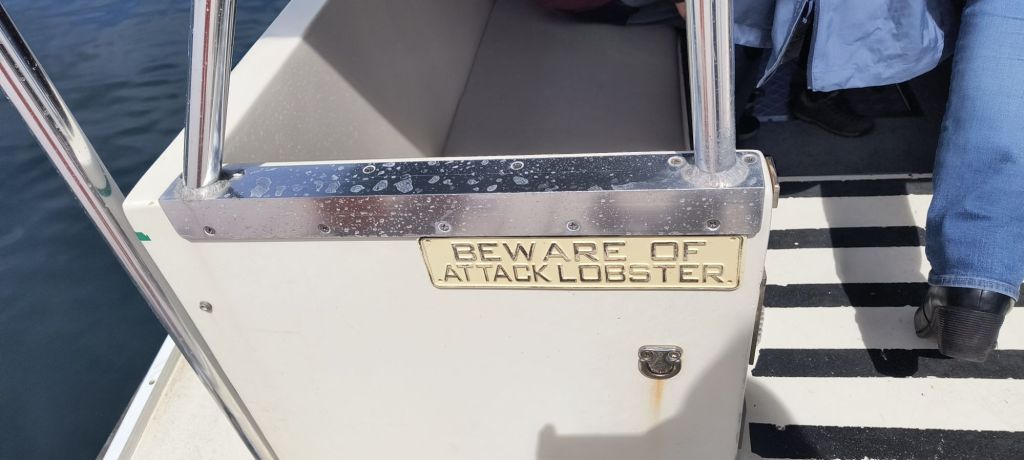
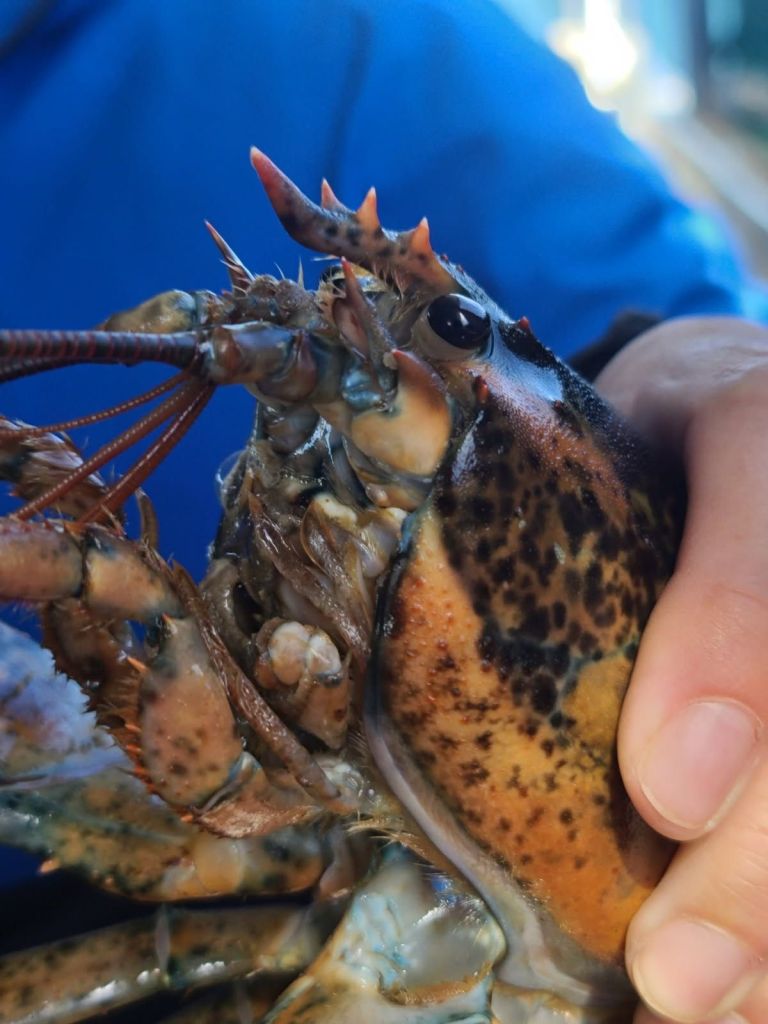
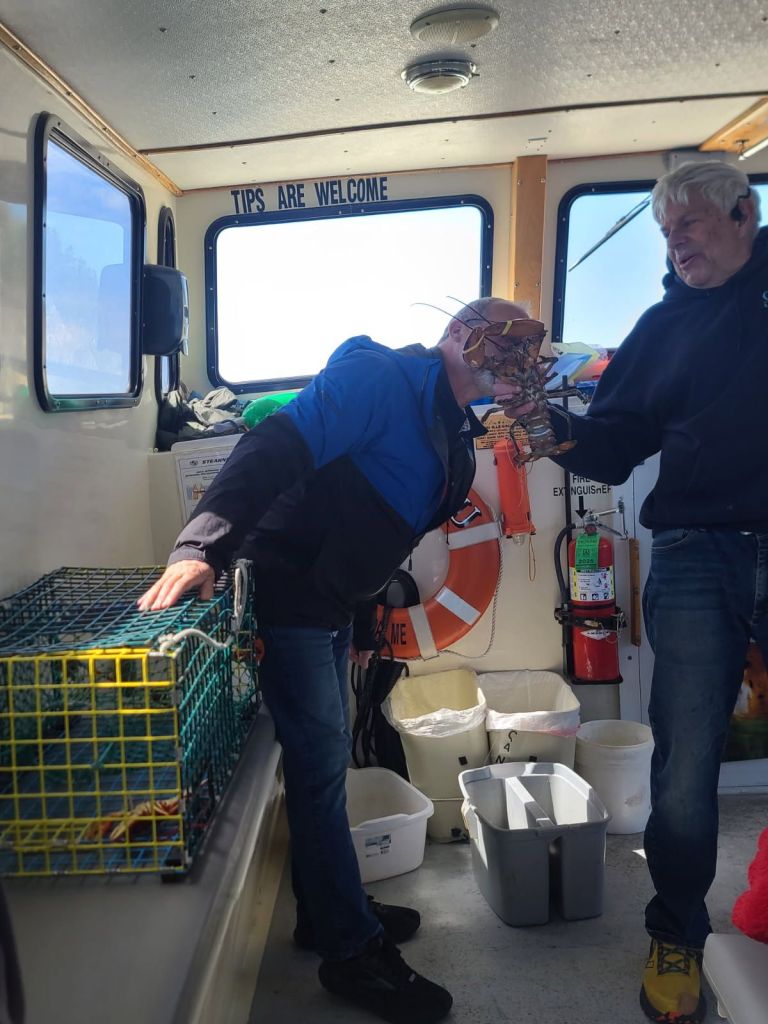
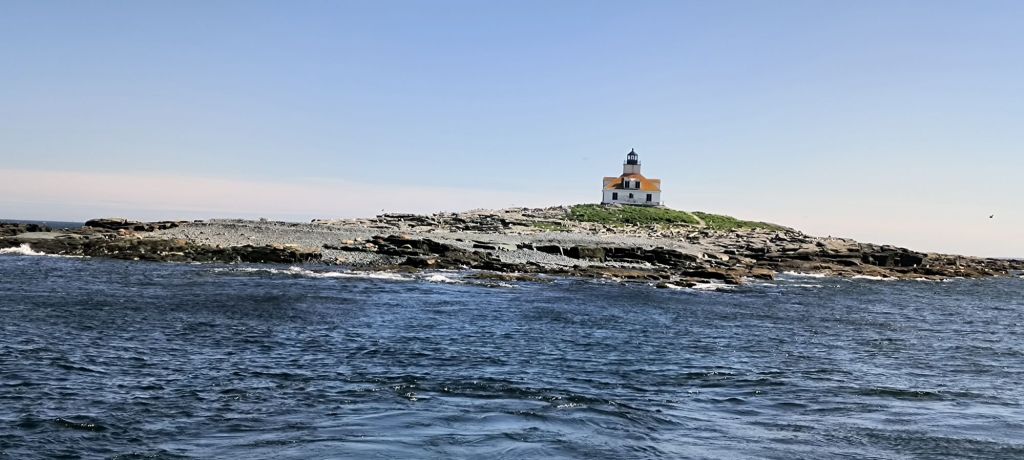
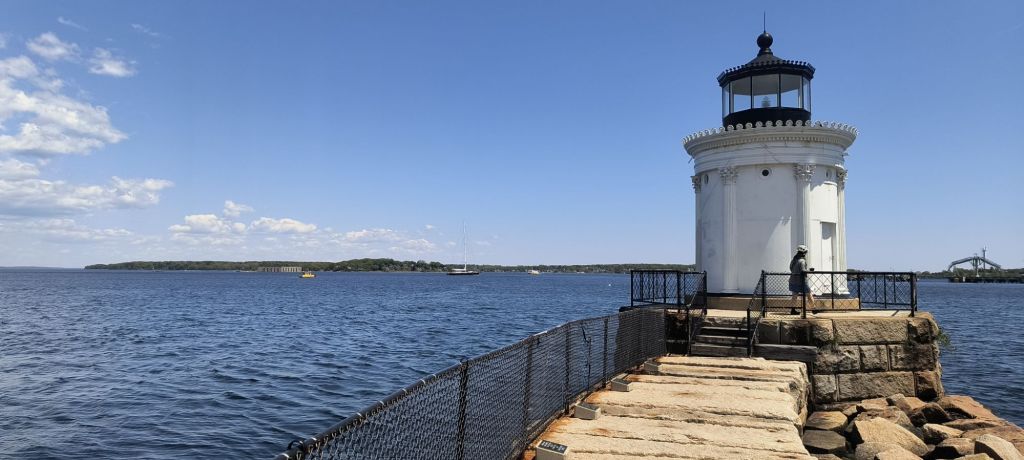
Our first few days have been filled with activities – most notably lobsters and light houses. Can’t seem to get enough. I have been eating Lobster Rolls since we arrived in Connecticut and just had a ‘Lazy Lobster” (where someone has picked all the meat for you) last night. Not something I usually can do. Yesterday, we went on a Lobster boat to learn about the history and current practices of Maine Lobsters. Don’t worry, no Lobsters were injured in our excursion since it was all catch and release on our educational tour.
Hard to believe that this previously known “cockroach of the sea” which had been only suitable for convicts, is now an expensive delicacy. Some attribute it to great marketing by the railroads, use of ice to keep them fresh, looking for something to replace Cod which has been fished out, or rich kids learning to like it from their native American nannies. Whichever is the true story, it is something I enjoy – a bit too much whenever we are in New England. Siri, who is not a fan, tolerates it since she knows it is a fad that will soon be gone once we leave the coastline.
Maine’ers (as they call themselves) seem very much like their northern neighbors, the Newfoundland’ers, we were introduced to in “Come from Away” and from my good friend John. Sort of an independent streak, self sufficient type, who are overly friendly and also willing to give you their honest opinion.
It is something we have begun to appreciate even while being here for a very short time.






 Siri and David Adventures