Saturday, March 28, 2026
Note: This post got out of order due to being a bit sick, but nothing a little zythromycin couldnt solve. 🙂
The lush green hills of the mountains tell us we have left the city. We pass by the concrete houses on the hillsides and the industrial zone with old trucks and busses in different states of repair. Within the first hour of our three hour journey we are in the jungle – at least portions feel that way. Banana and tall palm trees line the six, and now four qnd soon to become two lane highway. It feels good to leave the busy city behind and return to where Siri lived with her Peace Corps host family.
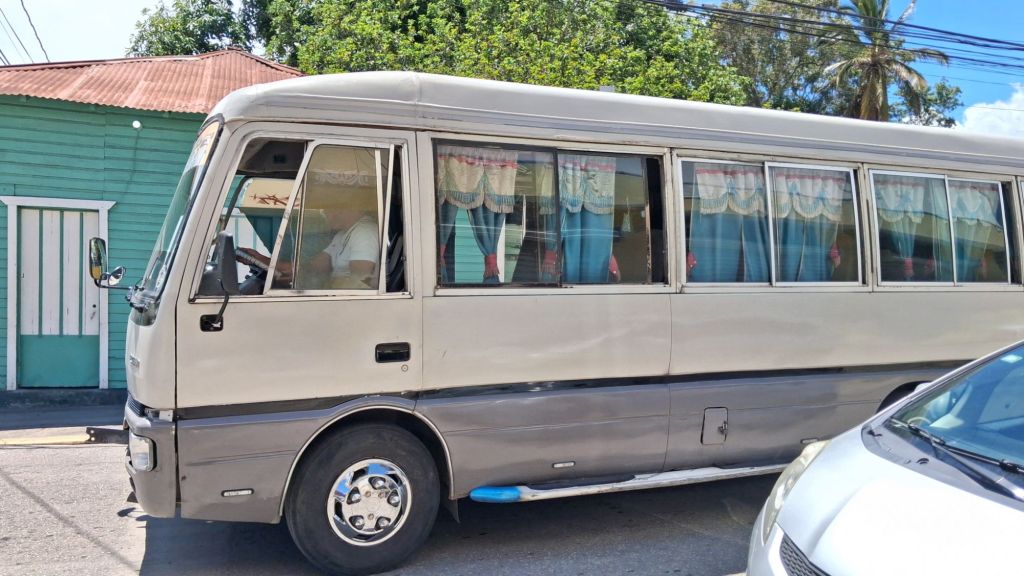
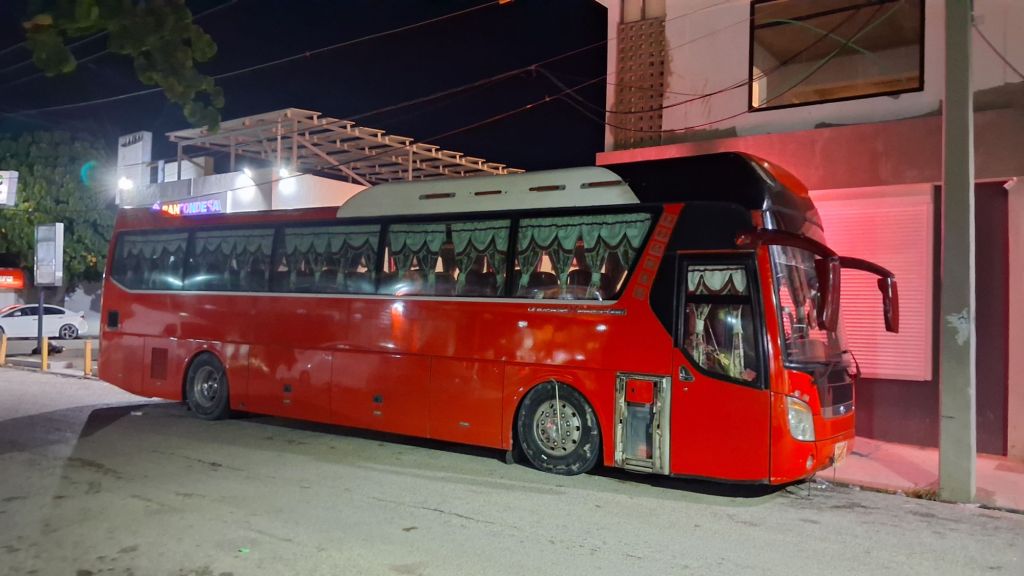
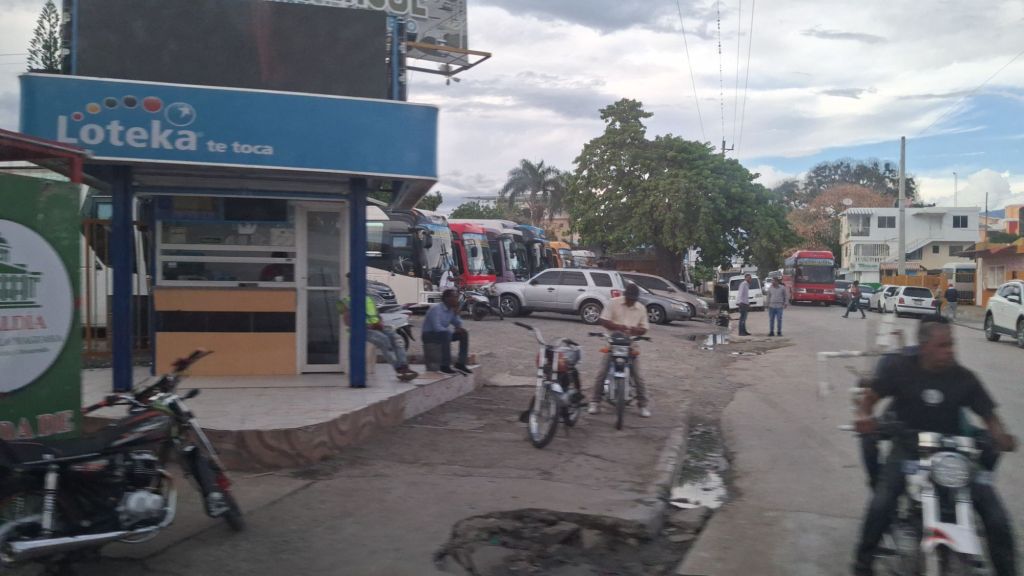
This air conditioned bus – with a bathroom (!) – was not the way we used to make this trip. It used to be an old small bus or just a large minivan – that wouldnt leave the station until every seat was full. Now it feels like being on Greyhound. We made reservations last night, people lined up (no mad dash for the doors to open), and we left on-time. And it is air-conditioned – did I already mention that?
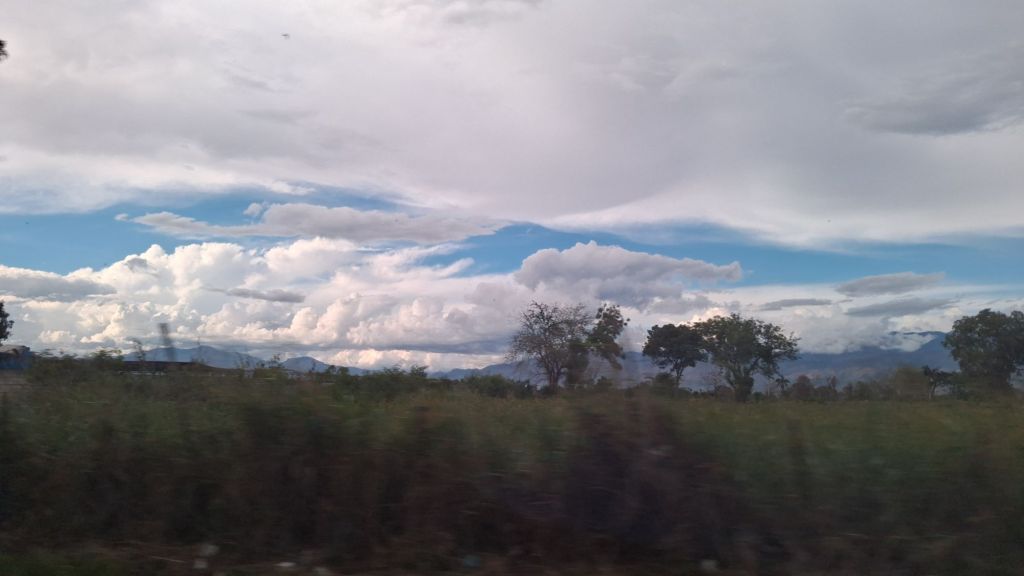
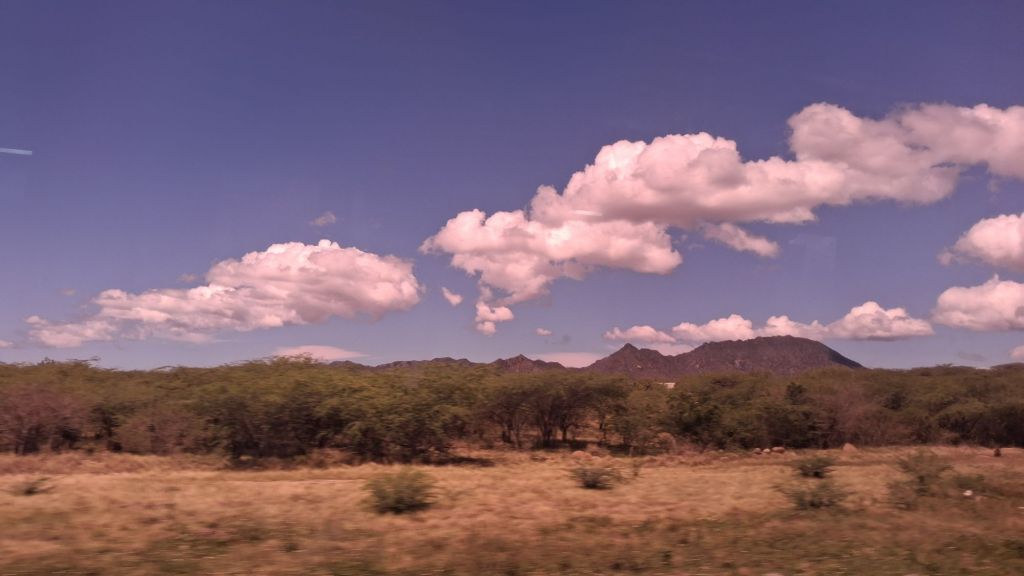
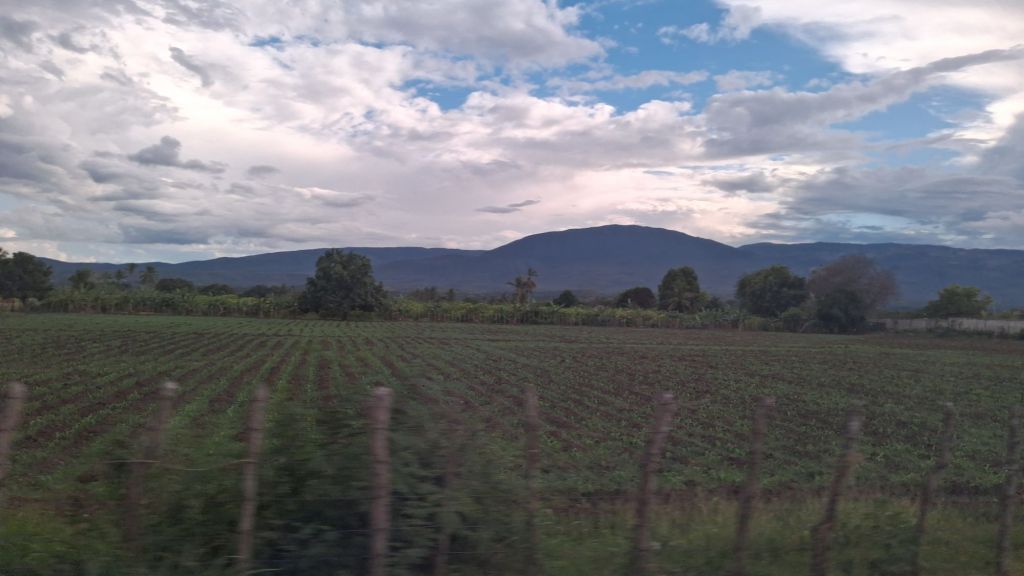
We have the ocean on our left and mountain ranges on our right. Soon we will turn inland and move into the drier irrigated lands that grow rice and beans. We pass our first cactus and then dirt fields replace the banana plantations.
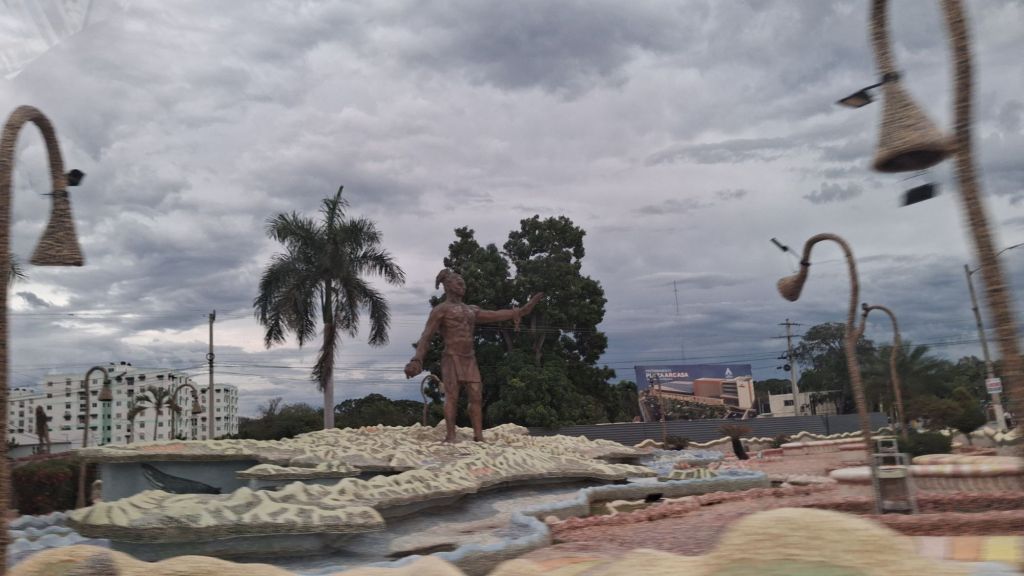
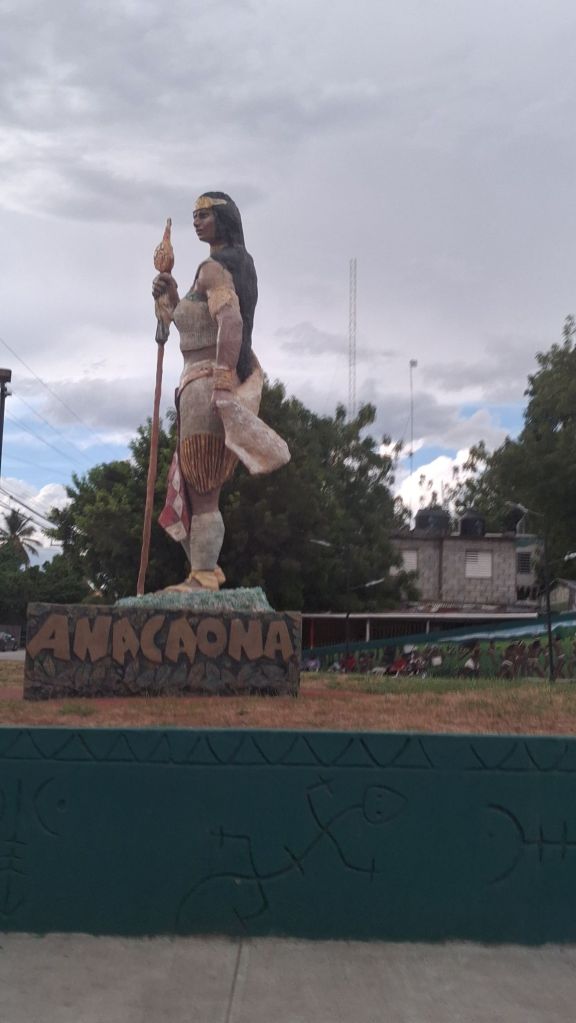
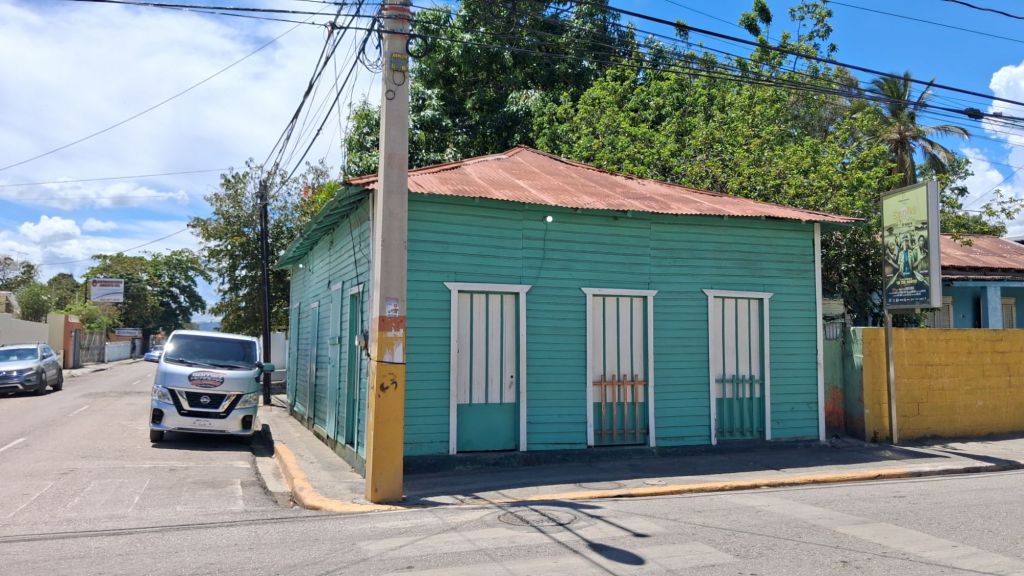
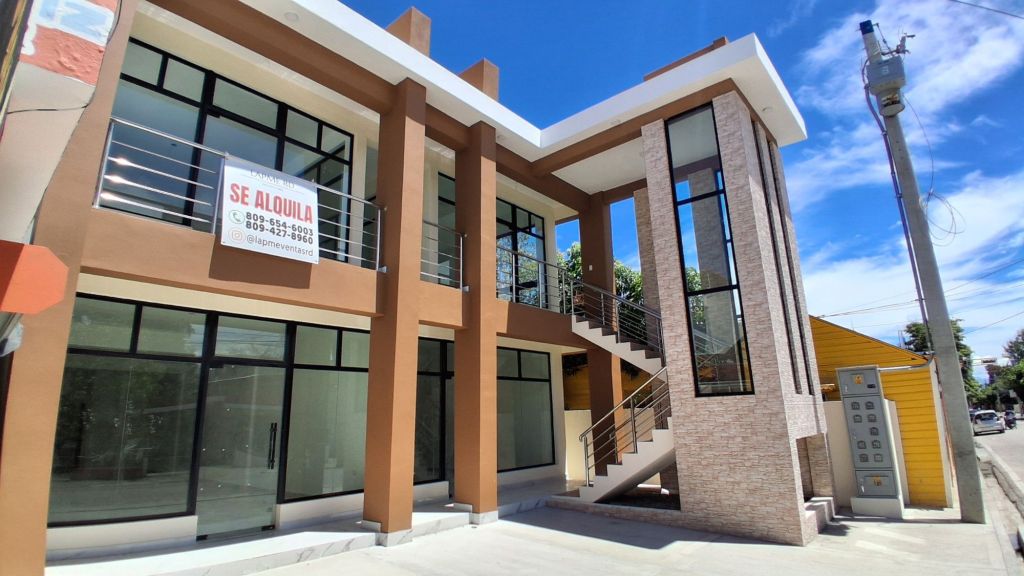
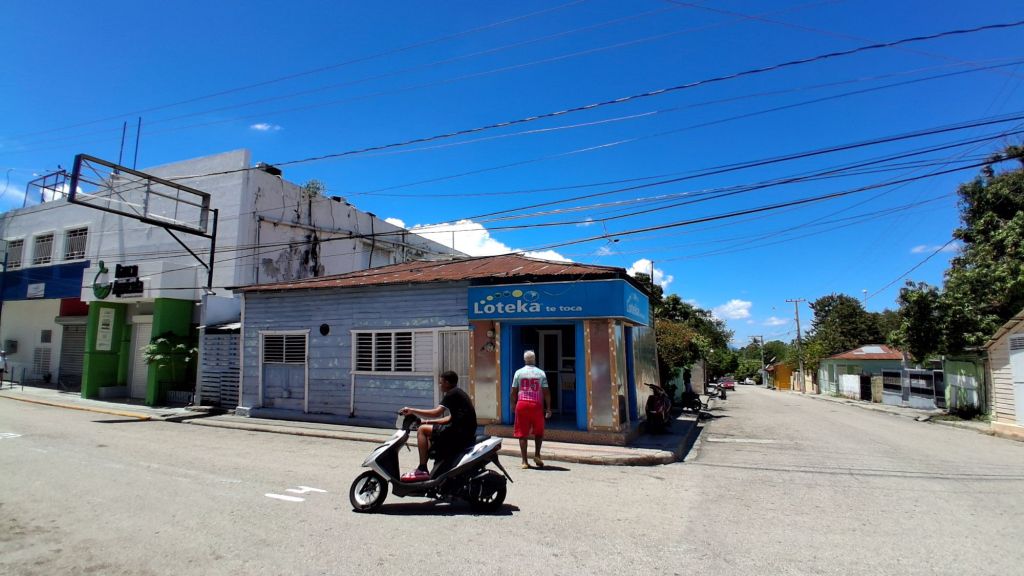
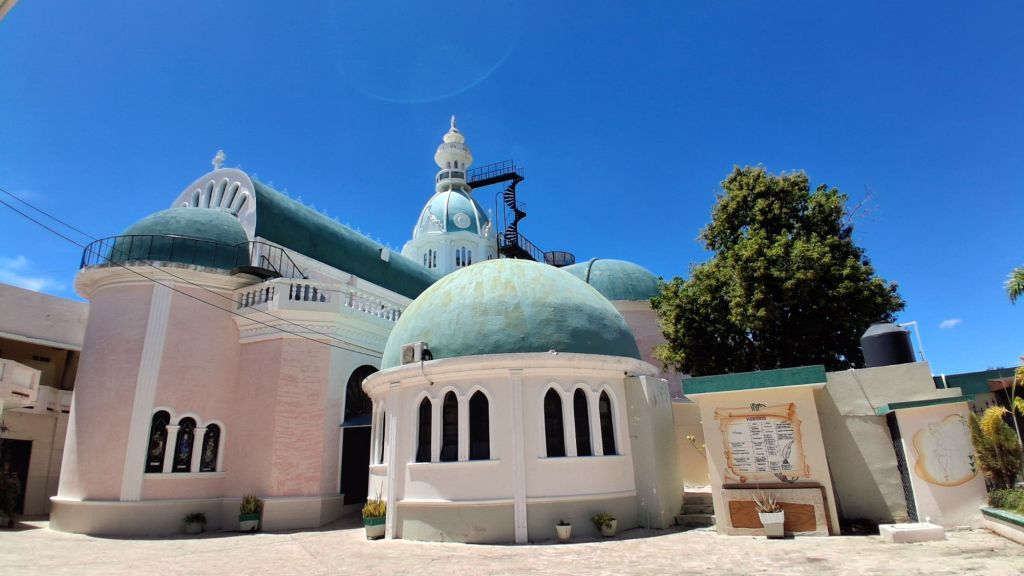
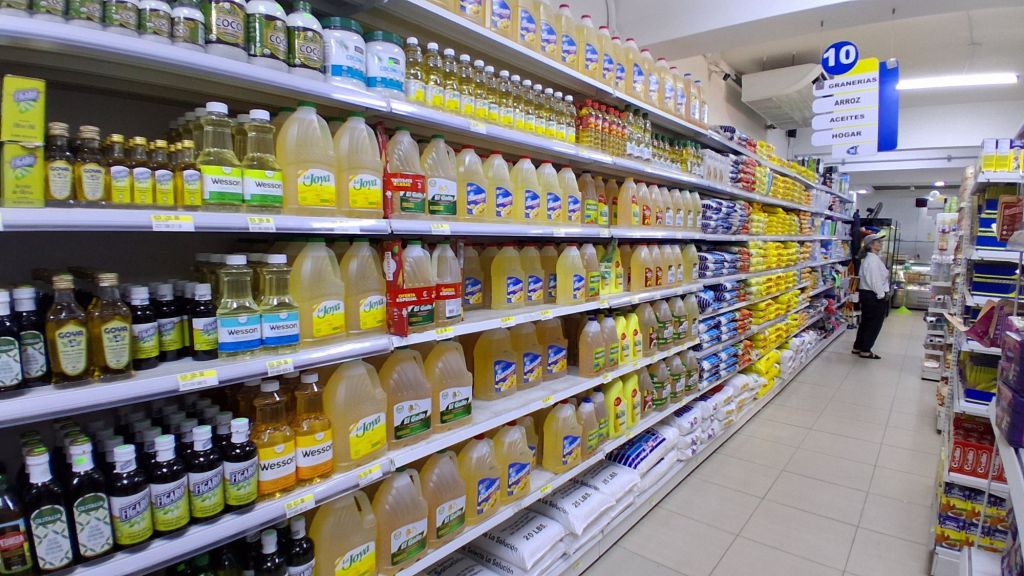
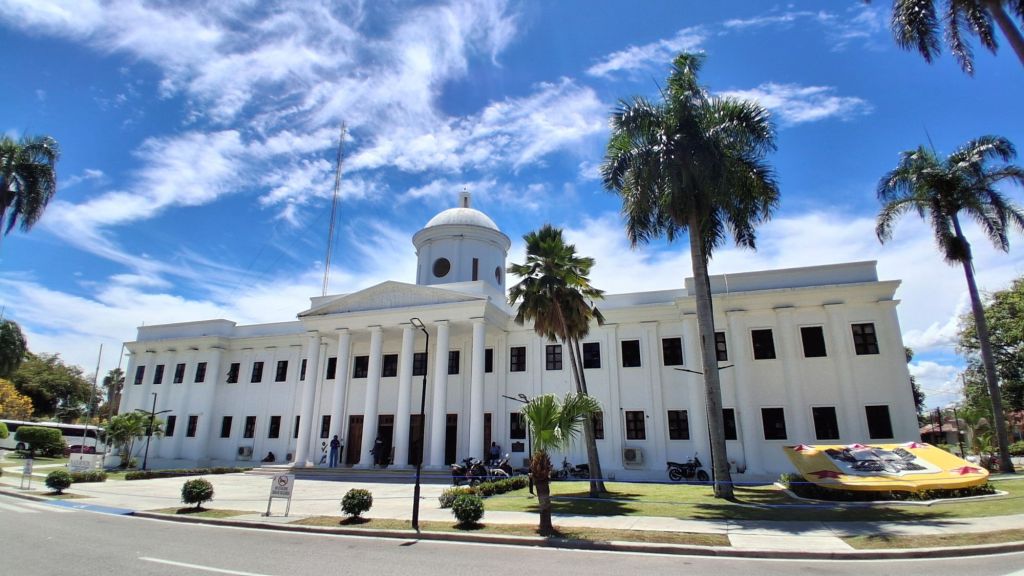
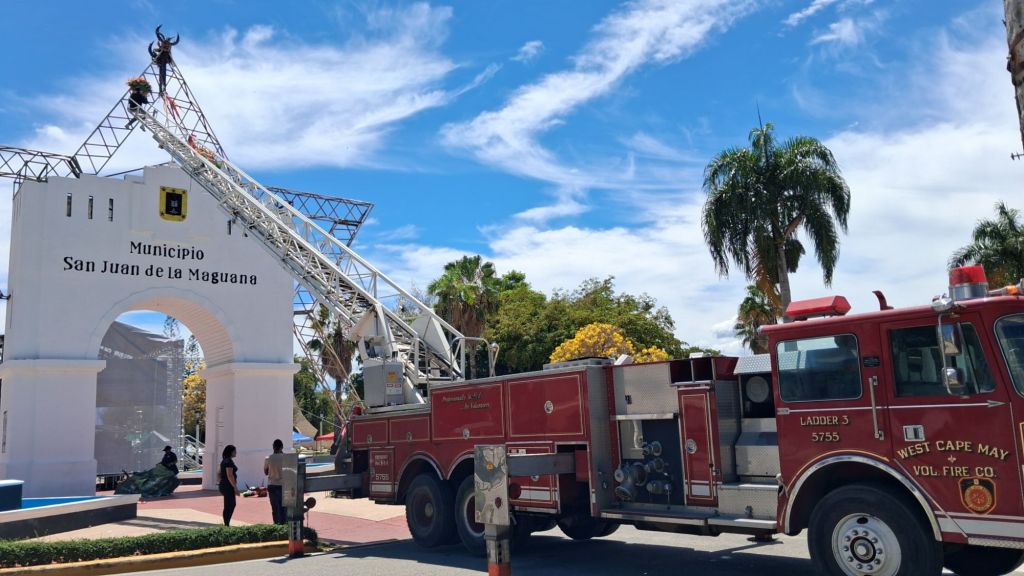
We pass KM 9, which is the turn to Las Zanjas, Siri’s village for two years. The dirt road is now paved and several homes and stores now inhabit the formerly empty intersection. We hope to visit here tomorrow. For now, we stay on the highway (#2) and enter the main city, San Juan de la Maguana where Rivin and Fefen moved 35 years ago. San Juan has changed dramatically. We remember it only having a main plaza where you would transfer busses. You still had to go the capital – 3 hours away to find a bank. Now it is a 150,000 person city with several supermarkets, five story residential towers and new developments being built in the outer rings.
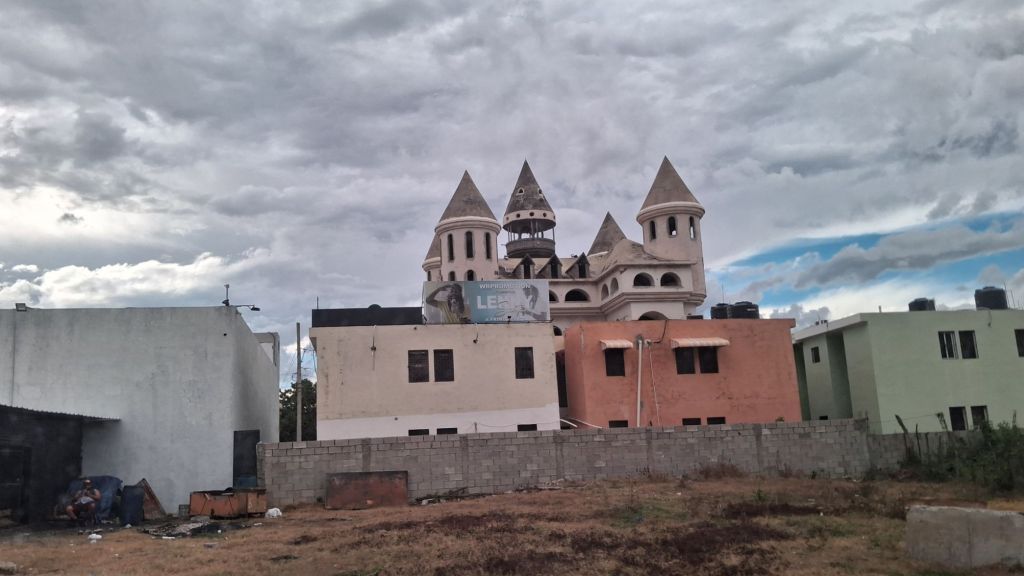
We get a range of answers to our question of where the money was coming from. It could be from government support – especially after a recent hurricane displaced so many families, or maybe it is chinese money – government development (especially as the US has stopped) or business investment, or it could be the narcotics trafficking or possbly prostitution. For an economy that seems to be struggling in so many ways, we are still baffled about all of these shiny new homes and paved roads.
This not quite knowing or understanding was a very common experience as a volunteer overseas. So, in many ways it feels familiar. You can live and even work in the culture, but that doesn’t mean you are truly part of it. You recognize that you are the outsider who has been graciousky let in. Keeps one curious, keep asking questions, and open to new possibilities.

 Siri and David Adventures