New Orleans – National World War II Museum
The National World War II museum is a must see, as we had been told, if you visit New Orleans. Through the interactive personal stories of those who actually served and were impacted by the war, it provides great lessons in history.
It starts with everyone on a train headed to boot camp as if we have just enlisted. We are given dog tags and can track a soldier’s story through the exhibits. I was reminded of my Mom telling stories of being on a similar long train from Kentucky when she enlisted as an army nurse during the Korean War. She would talk about her experience of being in awe when she saw the Ocean for the first time.
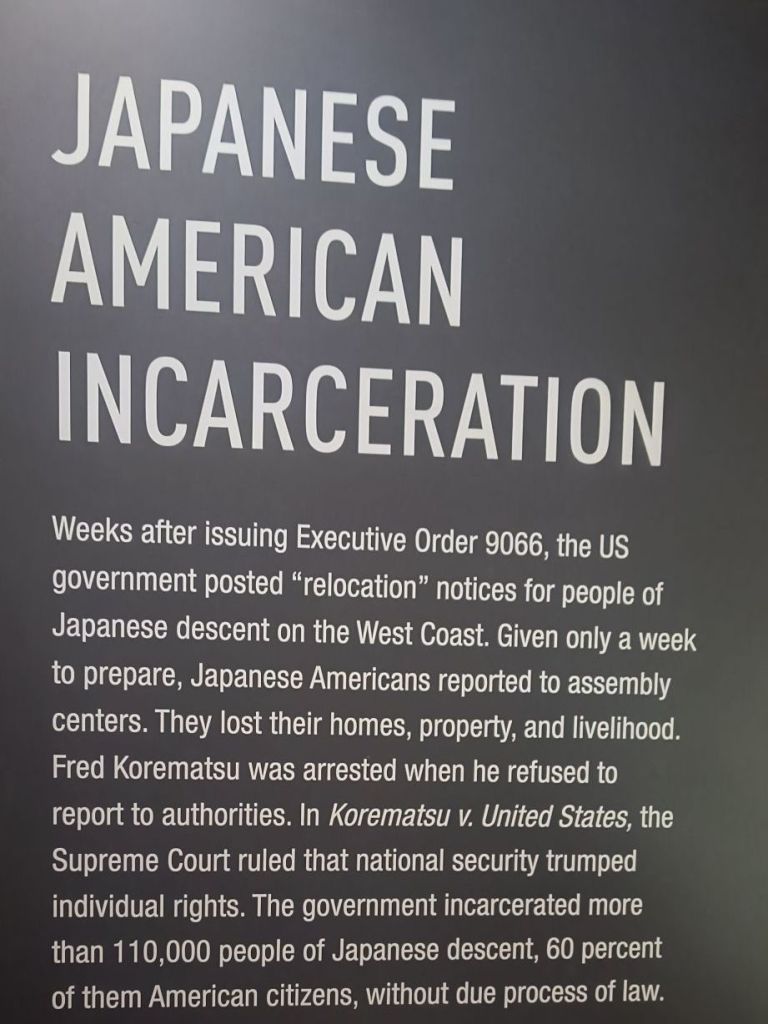
The early exhibits remind us of those who were allowed to serve and those who were severely discriminated against, such as Japanese Americans, most of them US Citizens, who were held in concentration camps without ever being criminally charged due to presidential Executive Order 9066. I always remember my Dad talking about how distressing it was to see Japanese neighbors being forcibly removed from his hometown in Tacoma.
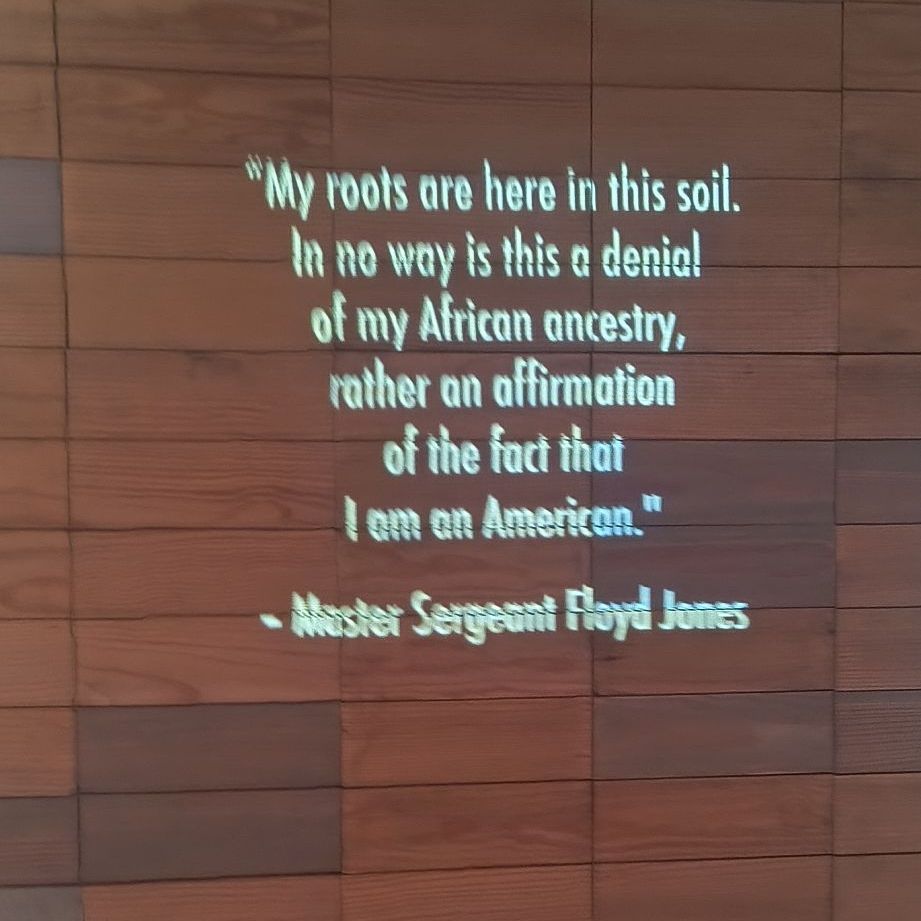
It clearly tells the moral inconsistency of soldiers defending freedoms overseas when many didn’t have those freedoms back at home. It also highlighted the perseverance and grit of many individuals and collective communities, such as Japanese and Black soldiers who were only allowed to serve in segregated units – and yet they still stepped up and claimed the title of being a true American and fought for our common values.
It reminds us of the resilience of people on the home front such as the “Liberty Gardens” where, in response to rationing, ordinary Americans grew over 30% of their vegetables in their own small yards.
Then it moves onto the history lessons, like the one of appeasement of the military power at the time, Germany, which allowed them to occupy neighboring countries unchecked. At the same time, it discusses the isolationists, led by Charles Lindbergh, who advocated an American First policy and a withdrawal from our defense of democracies abroad. It reminds us that even though US President Wilson helped promote the League of Nations after WW I, the US never signed onto it. It would take another World War before the US signed onto its successor, the United Nations.
It gives you the feeling of walking through the jungles of the Pacific Islands as the Marines landed on Iwo Jima and then moves to a recreation of Anne Frank’s secret attic where she lived for two years before someone exposed her family’s hiding place and sent them to the death camps.
It is a somber experience to be reminded of so much bloodshed, sacrifice and atrocities of this brutal conflict.
The themes of America First isolationism, of discrimination, of unchecked Executive orders and appeasement of foreign powers, still reverberate in our current political climate today. It also shows the resilience of the American spirit and fortitude of everyday Americans to stand up for their rights and their place at the collective table.
One reason this national museum is in New Orleans is the “Higgins Boat.” Designed by a local small business boat builder, these were the landing craft that allowed Allied forces to land from the Pacific to Normandy and as General Eisenhower declared it “won the war for us.”. Higgins was also the first company in New Orleans to racially integrate his more than 25,000 employees, which included men, women and people with disabilities. By the the end of the war his factories produced over 20,000 boats.
There were numerous stories of people from all backgrounds coming together for a common purpose. It ends with a hopeful note that we can best remember those who served by keeping that spirit alive, despite our differences.



 Siri and David Adventures
Thank you so much for this. We should never forget the lessons of history.
Wm
LikeLike