Monday, April 13, 2026 – Bridgetown, Barbados
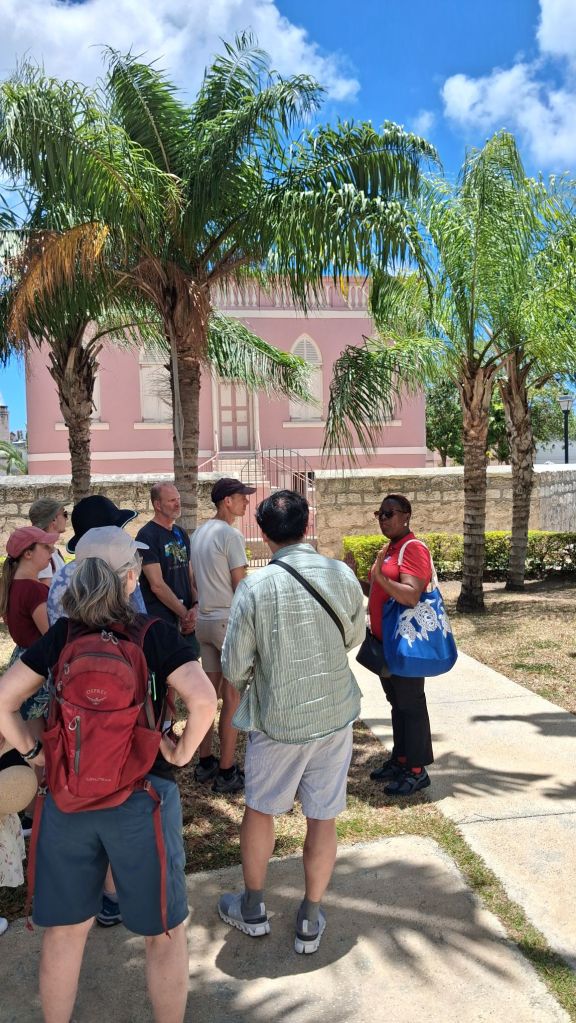
“We are a diverse, strong people, proud of our heritage,” says our tour guide and historian Claudette, a born and raised Bajun (BAY-shun), which is what Barbadians call themselves.
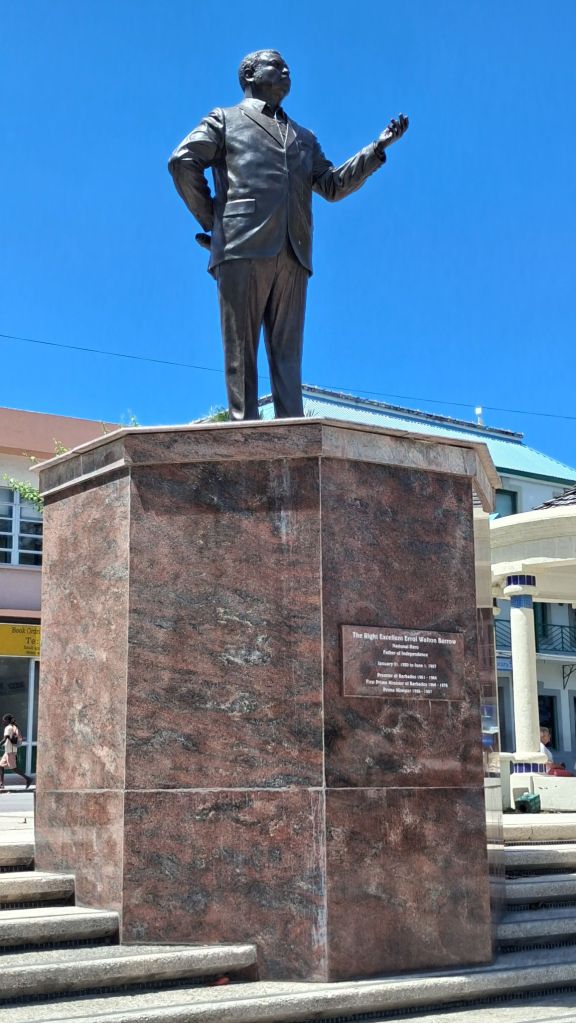
We start our history tour in Independence Square with stories focused on the resilient africans and mixed race people who stood up for their rights and claimed independence in 1966. Errol Barrow, often called the “Father of Independence,” came from a politically active family and rose up in the British military in WW II. When he returned home, he led the final push for freedom and would become their first Prime Minister. Similar to African Americans coming home to Jim Crow laws after serving their country in WW I & II and helping to fuel the civil rights movement in the US, the returning soldiers helped fuel independence for the former British Caribbean colonies like Barbados, Jamiaca, Trinidad and Tobago, and Guyana all in the 1960’s.
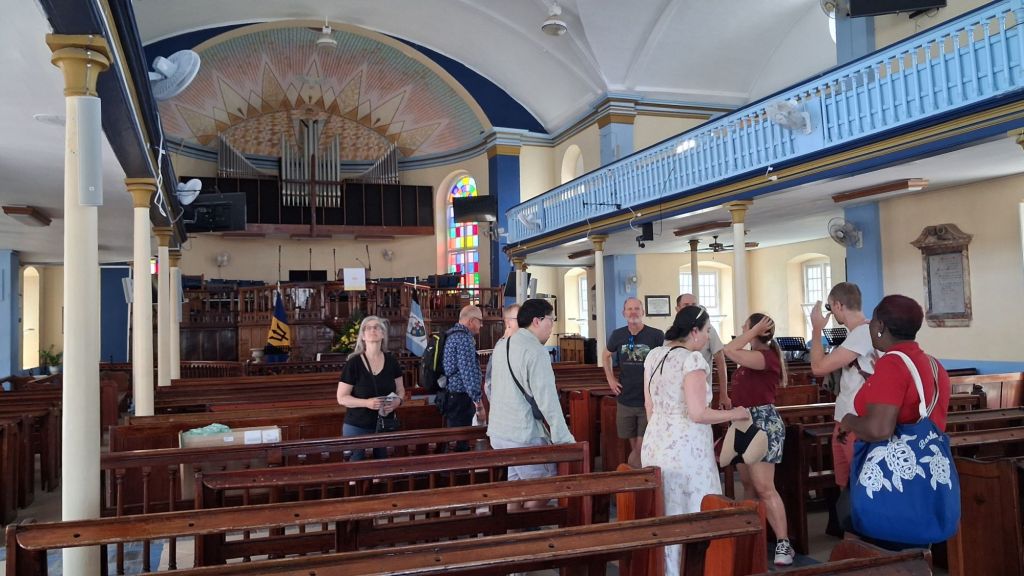
As is often the case, there are many who come before to lay the groundwork for expanding rights. Claudette even channels one of the women who helped these efforts along from the 1800’s and 1900’s. Sarah Anne Gill, a mixed race, native born widowed Methododist missionary, helped advocate for religious freedom in 1820’s, which then helped lay the groundwork for slavery to be abolished in the 1830’s.
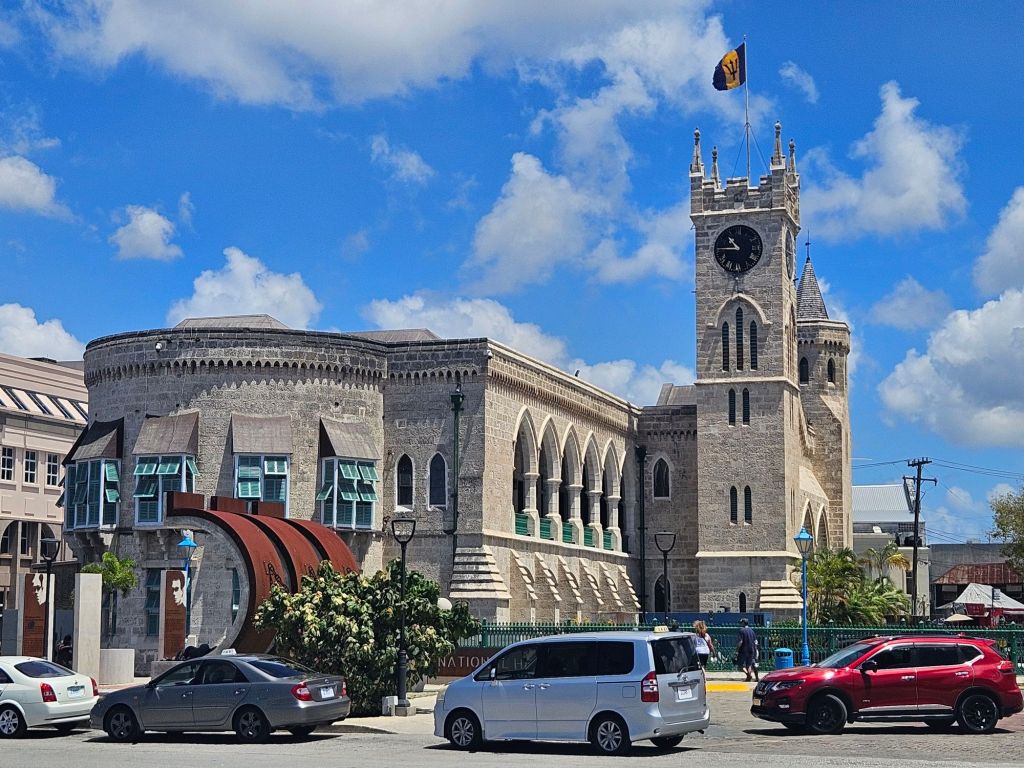
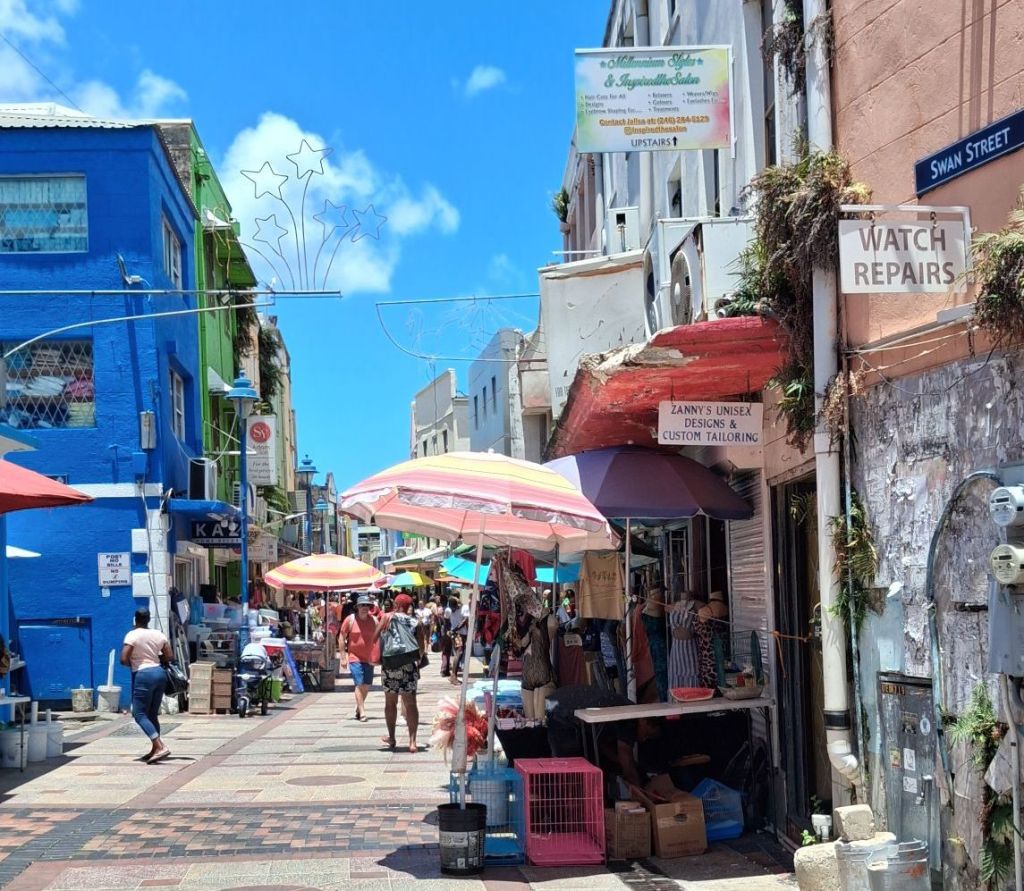
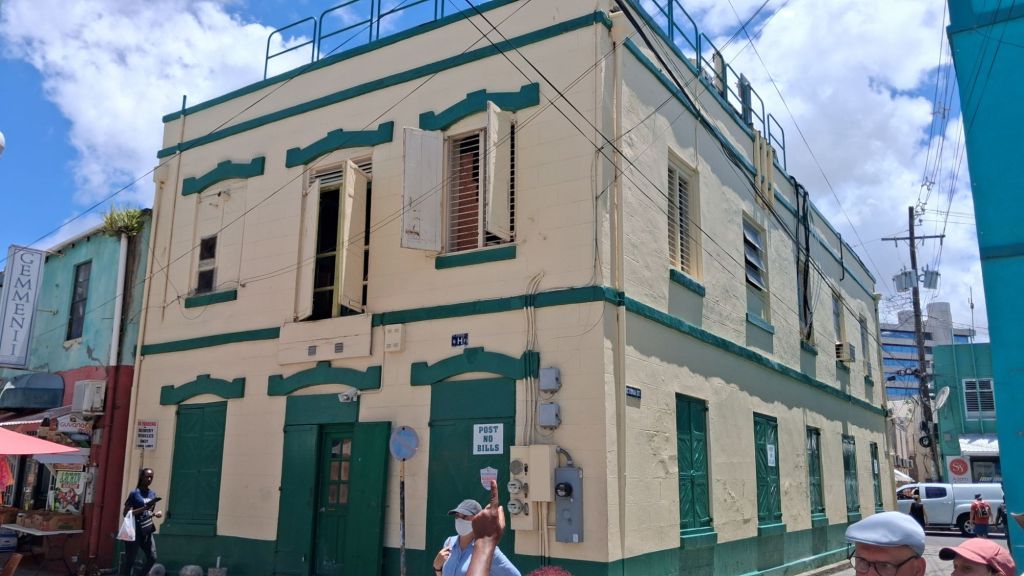
“Barbados has always relied on the power of its people to be successful,” Claudette tell us, since they don’t have many natural resources. We believe her as we walk through the narrow alleyways of old town Bridgetown and see it still is a vibrant place of commerce. One can imagine this as a vibrant seaport, with people on their second story balconies interacting with all the shops and visitors on the ground floor.
We find stories of how important of stopping point this was for early seafarers. Actually, it was the Portguese who first ‘discovered’ the island in the late 1500’s, but it was the Brits looking to make money who stayed to grow tobacco and tea, but it was sugarcane plantations that created great wealth for the few elite white landowners. The Dutch, Portugeuse, and a significant Jewish population also made it to the island, some to escape persecution and others looking for opportunities. Many were brought against their will.
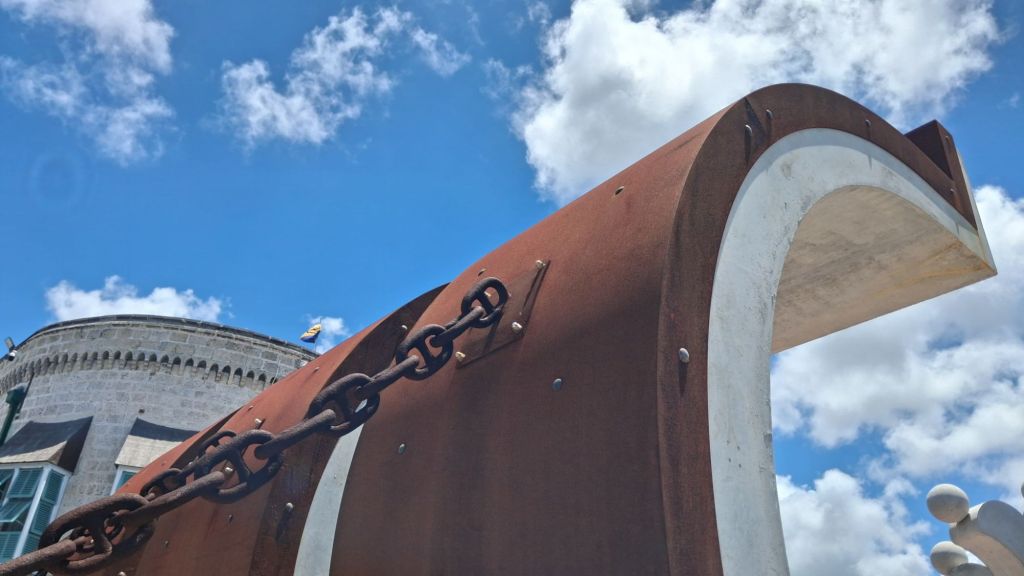
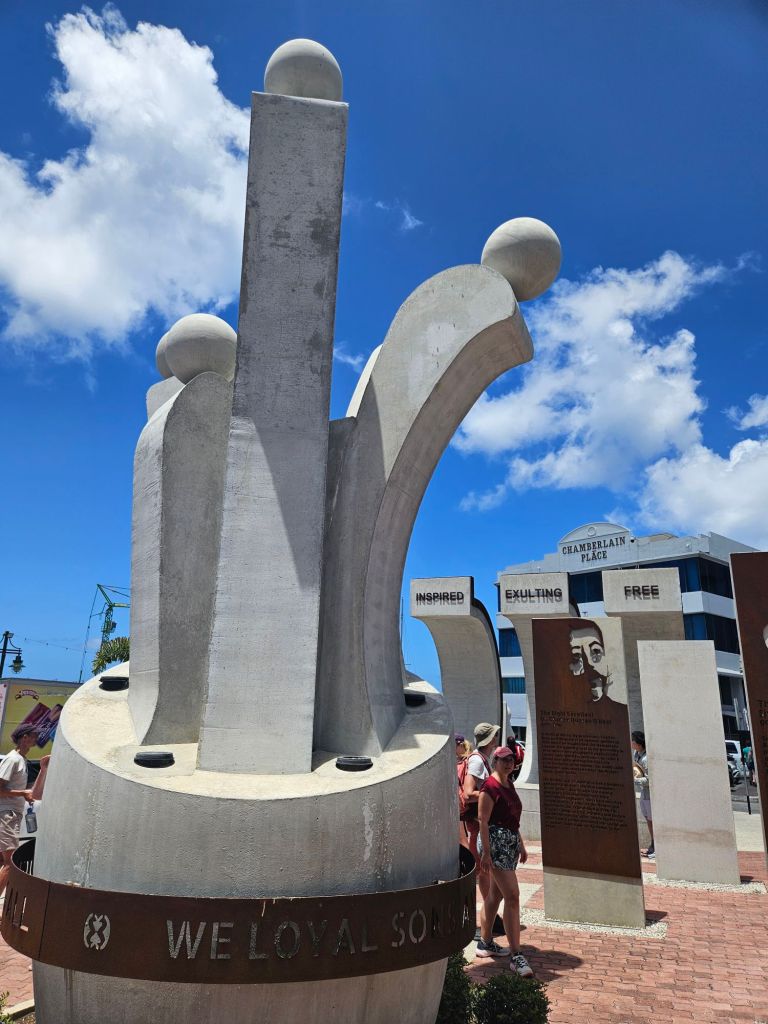
A powerful new symbol of this history is the recently reenvisioned Heroes Plaza which has a sculpture with large broken chains and human figures to represent all races, gender, and backgrounds of people from enslaved Africans, indentured laborers like the Scots and Irish, native americans and indiginous, and even white settlers who came from all different economic classes.
Similar to the appropriate removal of confederate statutes, Barbados removed the statue of the British Admiral Nelson, which used to be the centerpiece of this plaza. It is now placed in storage.
We finish our walk by trying some of the local foods like cod fish cakes – maybe from the Portugeuse influence – and a tasty meat roll. We finish in the hot afternoon and cool down with fresh frozen fruit juices from one of the street vendors on the bustling street market.
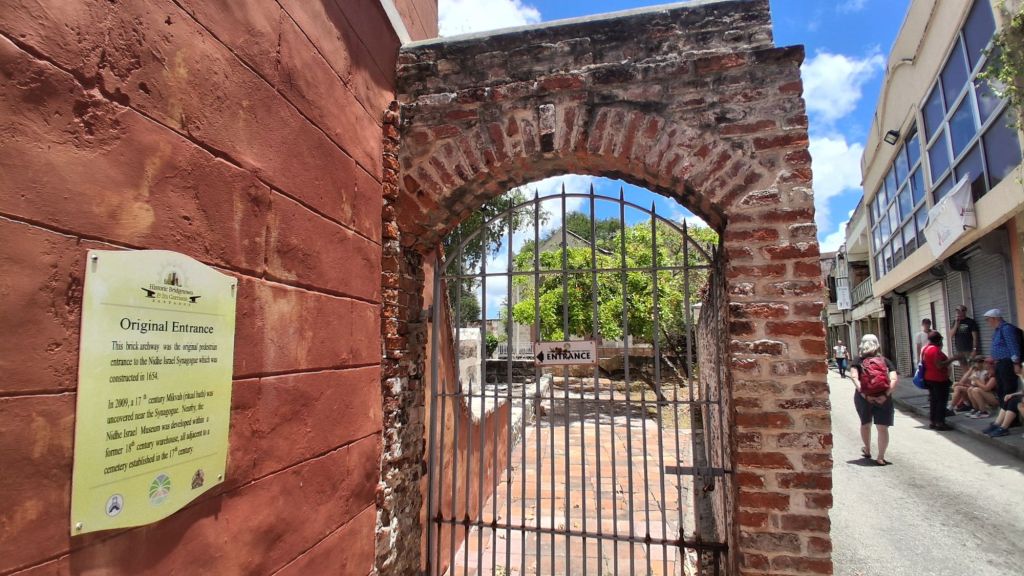
A good way to get a good sense of place and to find some of those things we would have missed – like the old synaguge and wall made from coral limestone – you can actually see the coral patterns and some sea shells.
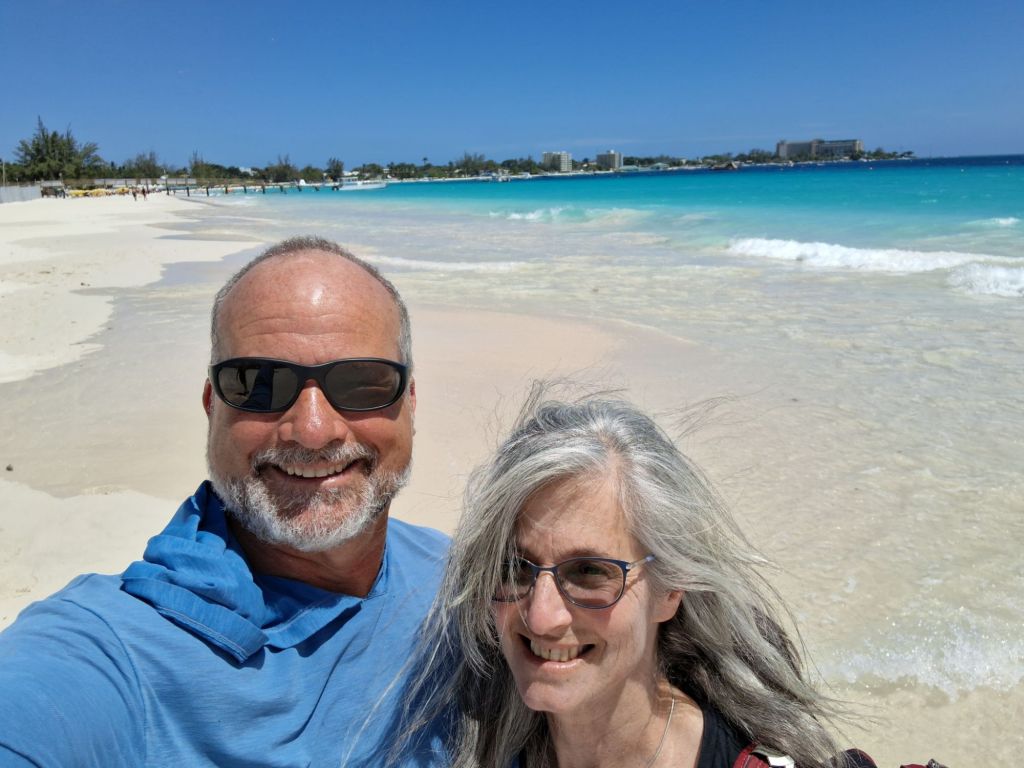
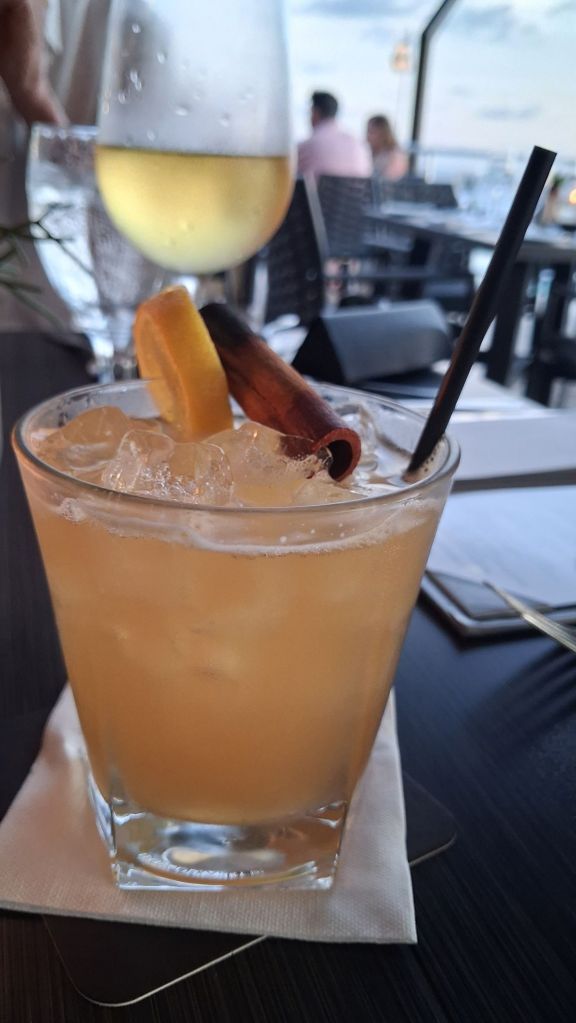
We finish out our last day at the beach and a very nice dinner at sunset.
A nice goodbye to culturally and historically rich Barbados.




 Siri and David Adventures